
Learning to Drive With Confidence: Finding the Right Support for Every New Driver
Learning to drive is a personal journey, and for many people, it represents much more than simply getting from one place to another. Driving…
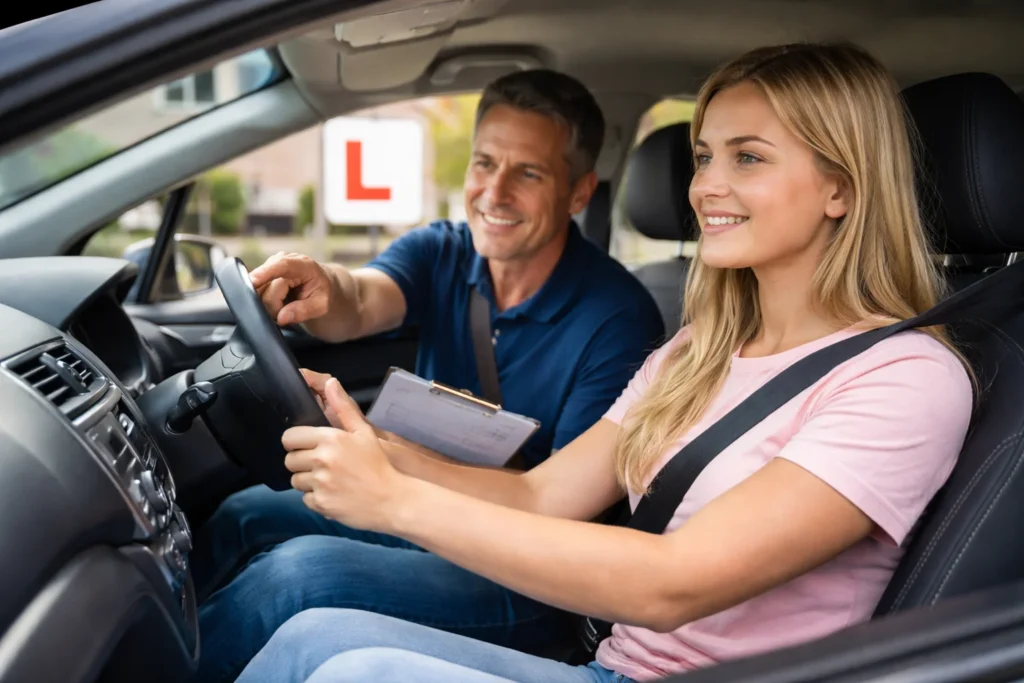
Learning to drive is a personal journey, and for many people, it represents much more than simply getting from one place to another. Driving can mean independence, freedom, and the ability to handle everyday responsibilities without relying on others. But the process of learning can also bring nervousness, frustration, and plenty of questions along the way.
Every learner has a different starting point. Some people pick up driving skills quickly, while others need more time, patience, and encouragement. The right training approach can make the difference between feeling overwhelmed and feeling confident behind the wheel. Good driving instruction is not about rushing someone through a checklist; it is about building safe habits that last for years.
Understanding That Every Learner Has Different Needs
There is no “one-size-fits-all” method when it comes to driving education. People have different personalities, learning styles, and comfort levels. Some students may feel anxious in heavy traffic, while others may struggle with remembering multiple instructions at once.
A skilled instructor understands these differences and creates a learning environment where students can improve without unnecessary pressure. The best lessons focus on clear explanations, practical examples, and steady progress. After all, confidence grows through experience, not through being pushed too quickly.
For some learners, working with a special needs driving instructor can provide the additional patience and customized teaching techniques they need. These instructors often understand how to adapt lessons based on individual challenges, helping students develop skills in a way that feels comfortable and achievable.
Why Personalized Driving Training Makes a Difference
Many new drivers worry about making mistakes. They might hesitate while changing lanes, feel nervous at intersections, or become stressed when other vehicles are nearby. These feelings are completely normal, especially during the early stages of learning.
Personalized training allows instructors to focus on areas where a student needs the most improvement. Instead of following a fixed routine, lessons can be adjusted based on progress. Someone who struggles with parking can spend more time practicing parking techniques. Another learner may need extra support with highway driving or understanding traffic patterns.
This approach creates better results because students are not simply memorizing instructions — they are developing real driving awareness.
Building Strong Foundations Through Quality Education
Driving involves much more than steering and pressing pedals. A responsible driver needs to understand road rules, recognize hazards, and make safe decisions under pressure. This foundation comes from proper education and consistent practice.
A professional driving education course can introduce important topics such as traffic laws, defensive driving techniques, vehicle safety, and responsible decision-making. These lessons help learners understand the reasoning behind driving rules rather than just memorizing them for an exam.
For example, knowing that you should maintain distance from another vehicle is useful, but understanding how that extra space gives you more reaction time creates better awareness. Small details like this often separate an average driver from a truly prepared one.
Preparing Mentally and Practically for Testing
The driving test can feel intimidating, even for people who have practiced regularly. Many learners know how to drive but become nervous when they are being evaluated. Preparation is not only about practicing maneuvers; it is also about developing calmness and confidence.
A good instructor helps students understand what evaluators typically look for, including safe turns, proper signaling, observation skills, and overall vehicle control. Mock tests and practice sessions can help reduce anxiety because they make the experience feel familiar.
When preparing for the dmv road test, students should focus on consistency rather than perfection. Everyone makes small mistakes while learning. The goal is to demonstrate safe, responsible driving habits and show that they can handle common road situations independently.
The Role of Patience in Becoming a Better Driver
One of the biggest mistakes new drivers make is comparing their progress with others. Someone else may have learned faster, but that does not mean they will become a safer driver. Learning speed is different for everyone.
Patience is a major part of the process. Repeating the same skill several times may feel boring, but repetition builds confidence. Eventually, actions that once required intense concentration become natural.
Parents, family members, and instructors all play an important role here. Encouragement works much better than constant criticism. A learner who feels supported is more likely to stay focused and continue improving.
Choosing the Right Driving School and Instructor
Selecting a driving school is an important decision. Experience, teaching style, communication, and flexibility should all be considered before making a choice. A good instructor should make students feel respected while still providing honest feedback.
Reviews and recommendations can also help identify instructors who are known for professionalism and patience. However, the best match depends on the learner’s personal needs. A student who requires additional support may benefit from an instructor with specialized experience, while another learner may prefer a traditional teaching approach.
The goal is always the same: creating a confident driver who understands safety and responsibility.
Driving Skills That Last Beyond the License
Receiving a driver’s license is an exciting milestone, but it is only the beginning of the journey. Real-world driving continues to teach new lessons every day. Weather conditions, unfamiliar roads, and unexpected situations all provide opportunities to improve.
A well-trained driver does not just know how to operate a vehicle. They know how to stay calm, respect others on the road, and make thoughtful choices.
Learning to drive takes time, but with the right guidance and a positive mindset, it can become one of the most rewarding skills a person develops. The right instruction creates more than successful test results — it creates confidence, independence, and safer roads for everyone.