
When Water Causes Problems at Home: Finding Solutions That Actually Work
Most of us expect water to do its job without much fuss. We turn on the tap, fill a glass, take a shower, or…
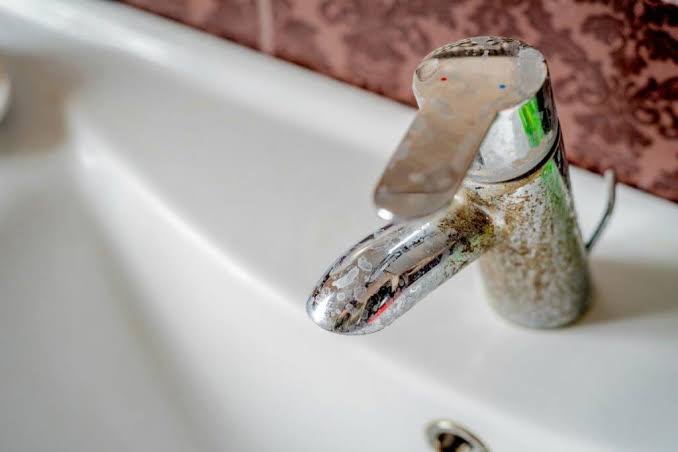
Most of us expect water to do its job without much fuss. We turn on the tap, fill a glass, take a shower, or start the washing machine and get on with the day. But sometimes little things begin to go wrong. White marks appear on the faucets, laundry feels rough after washing, or the drinking water develops a taste that’s difficult to ignore.
It’s tempting to blame the plumbing or buy a filter and hope for the best. Yet water problems often have different causes, and the treatment that works for one household may be completely unsuitable for another.
The sensible approach is to understand what’s happening first. Once you know the source of the problem, choosing an effective solution becomes easier, more affordable, and far less frustrating.
Recognising the Signs of a Water Problem
Water doesn’t always announce its problems clearly. Sometimes the clues are obvious, such as reddish stains in the sink or a cloudy glass of water. Other issues develop slowly, making them easy to overlook until they start affecting daily routines.
For example, a showerhead that repeatedly clogs with mineral deposits may indicate hard water. A metallic taste could be related to dissolved metals or plumbing materials, while a persistent chlorine smell may come from disinfectants used in a municipal supply. Each possibility requires a different response.
Changes in water quality can also occur without noticeable differences in taste, smell, or appearance. Certain microorganisms and dissolved contaminants cannot be identified reliably by sight alone. That’s why testing is important when there’s a genuine concern about safety.
A suitable water test can measure hardness, pH, dissolved solids, and specific contaminants based on your water source and local risks. Homes using borewells or private wells may need particular attention to microbiological contamination and naturally occurring minerals. Municipal water users may have different priorities, although household plumbing and storage tanks can still affect the water reaching the tap.
If the water changes suddenly, don’t assume the cause is obvious. Check for local supply advisories, consider whether plumbing work has recently taken place, and seek appropriate testing or professional advice where needed.
Why Hard Water Creates So Much Frustration
Hard water is among the most common reasons homeowners start looking into treatment. It contains elevated levels of calcium and magnesium, minerals that can leave stubborn deposits on bathroom fixtures, glassware, and appliances.
Over time, hard water & mineral buildup can become more than a cosmetic nuisance. Scale may accumulate inside water heaters and other equipment, reducing heat-transfer efficiency and increasing maintenance needs. Deposits can also restrict flow through showerheads and narrow openings.
There’s a familiar household scene here: you’ve just cleaned the bathroom, the taps are shining, and a day later those pale marks are back. It feels like a losing battle.
A conventional ion-exchange water softener can help by reducing calcium and magnesium in the water. Depending on the system and the original hardness level, homeowners may notice less scale, easier soap lathering, and fewer deposits on fixtures.
Still, softeners aren’t suitable for every situation. They need appropriate sizing, periodic maintenance, and a supply of the recommended salt or other regeneration material. Traditional systems also discharge wastewater during regeneration, so local requirements may matter.
Most importantly, a softener doesn’t remove every contaminant or automatically make unsafe water suitable for drinking. If hardness is only one of several concerns, additional treatment may be needed.
Choosing the Right Solution for the Actual Problem
When people search for problem water solutions, they often come across a long list of filters, softeners, purifiers, and treatment devices. The variety can be confusing, particularly when products seem to promise similar results.
The key is understanding what each technology is designed to do.
Sediment filters remove suspended particles such as sand, rust, and other debris. Activated carbon can reduce chlorine taste and odor when the product is designed for that purpose. Reverse osmosis systems can reduce many dissolved substances, while ultraviolet treatment can inactivate susceptible microorganisms when the system is properly designed and operated.
These technologies solve different problems. A sediment filter won’t reliably remove dissolved salts, and a standard carbon cartridge isn’t a substitute for a treatment method specifically validated against a dangerous contaminant.
Consider a household whose main complaint is a chalky residue on taps. Installing an expensive reverse osmosis system beneath the kitchen sink might improve drinking water, but it won’t necessarily prevent scale throughout the house. A correctly sized softener may be more appropriate for the wider plumbing system.
On the other hand, if laboratory testing identifies a particular dissolved contaminant in drinking water, a certified treatment device designed to reduce that contaminant may be the better choice.
The aim is not to buy the most sophisticated equipment available. It’s to select the simplest reliable option that addresses the problem.
Installation Matters More Than Many People Realise
Even a well-chosen treatment system can disappoint if it’s installed incorrectly. Poor connections may leak, unsuitable sizing can restrict water flow, and incorrect settings may reduce treatment effectiveness.
Before installation, consider the incoming water pressure, household demand, available space, and any drainage or electrical requirements. A small point-of-use filter has different installation needs from a whole-house treatment system serving several bathrooms.
Professional installation can be particularly valuable when the equipment involves multiple treatment stages, complex plumbing connections, or water safety concerns. Ask the installer to explain what the system treats, what it cannot treat, and how you should maintain it.
It’s also worth checking whether the equipment meets relevant standards and whether its performance claims are independently certified. A product’s general reputation is less important than evidence that it performs the specific treatment task you need.
Keep the installation instructions and service details somewhere accessible. When a filter needs replacing or a warning indicator appears, you’ll be glad you don’t have to search through old emails to find the information.
Maintenance Keeps Small Issues From Becoming Expensive Ones
Water treatment equipment isn’t something you can install and forget about indefinitely. Filters collect particles, membranes eventually require replacement, and softeners need routine checks. Some systems also require sanitisation or other specialist servicing.
Follow the manufacturer’s recommended schedule, taking account of how much water your household uses and the conditions of your incoming supply. A cartridge may need replacing sooner in a home with high sediment levels than in one with relatively clean incoming water.
Pay attention to unusual changes in pressure, taste, smell, or appearance. They may indicate a worn filter, but the cause could also lie elsewhere in the plumbing or supply.
If you rely on a private well or borewell, periodic testing is particularly important because groundwater conditions can change. Don’t wait for a strange taste to appear before checking for contaminants that may be invisible.
A simple maintenance log can help. Record filter changes, service visits, and test results. It makes routine care easier and provides useful information if the system begins behaving differently.
Making Water Treatment a Practical Long-Term Choice
Solving a water problem doesn’t have to mean replacing every pipe or installing a complicated collection of equipment. In many cases, a test, a targeted treatment device, and a realistic maintenance plan are enough to make a noticeable difference.
Start with the symptoms, but don’t stop there. Confirm the cause when necessary, compare treatment options carefully, and consider the full cost of ownership rather than just the initial purchase price.
Good water treatment is ultimately about making everyday life easier while addressing genuine quality or safety concerns. With the right information and equipment, you can reduce unnecessary maintenance, protect plumbing and appliances, and feel more confident about the water you use.
Sometimes the best solution isn’t the most expensive one. It’s simply the one that solves the right problem, reliably, day after day.
Adjacent Readings
 Home Services
Better Water, Closer to Home: Finding the Right Water Treatment Support in Florida
What Your Well Water Is Trying to Tell You
For many homeowners, well water feels wonderfully simple. It comes straight from the ground, there’s no municipal water bill, and you know exactly where…