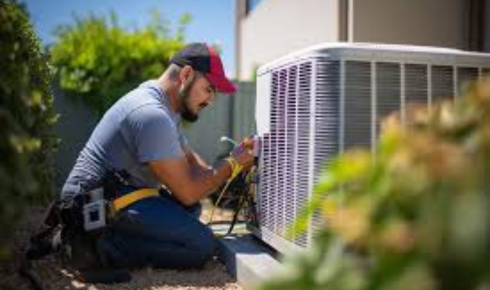
Upgrading Your Home Comfort Without Overspending: A Realistic Look at HVAC Rebates and Savings
There’s a moment that usually kicks this whole thing off. Maybe your AC struggles through a hot afternoon, or your heating system starts making that “something’s not right” noise. You start thinking about upgrading—and then you see the price.
That’s when rebates and incentives suddenly become very interesting.
But here’s the catch: while everyone talks about savings, very few people explain how to actually get them without confusion. It can feel like you’re chasing fine print instead of making a smart decision.
The good news? It doesn’t have to be that complicated.
Why Rebates Exist (And Why They’re Worth Your Time)
Rebates aren’t random discounts. They exist for a reason.
Energy providers and governments want people to move toward more efficient systems. When homes use less energy, it reduces strain on infrastructure and cuts down overall consumption. So instead of forcing change, they make it financially appealing.
That’s where rebate guidance becomes helpful—not just knowing that rebates exist, but understanding how to navigate them.
Some rebates are instant, applied at the time of purchase. Others require paperwork after installation. And a few depend on specific system ratings or certifications.
It’s not about memorizing every rule. It’s about knowing enough to avoid missing out.
The Hidden Layer of Installation-Based Savings
One thing many homeowners don’t realize is that savings don’t always come from the equipment itself. Sometimes, the biggest benefits are tied to how the system is installed.
That’s where installation incentives come into play. These programs reward proper setup—especially when it improves overall efficiency.
For example, upgrading ductwork, sealing leaks, or installing systems that meet certain performance standards can qualify for additional savings. It’s not just about buying the right unit—it’s about setting it up in a way that actually works well.
And honestly, this makes sense. A high-end system installed poorly won’t perform the way it should. Incentives encourage doing the job right from the start.
What Real Savings Actually Look Like Over Time
When people hear about savings, they often think in terms of immediate discounts. How much will this reduce the upfront cost?
That’s part of it, but it’s not the full picture.
True energy efficiency savings show up gradually. Lower utility bills, reduced maintenance, and longer system lifespan all contribute to the overall benefit.
It’s a bit like switching to a more fuel-efficient car. You don’t just save at the pump once—you save every time you drive.
And over time, those smaller, consistent savings often outweigh the initial rebate itself.
Why Not Every System Qualifies (And Why That Matters)
Here’s where things












Post Comment
You must be logged in to post a comment.