When Surgery Becomes Part of the Conversation: A More Human Way to Understand Hernia Care
It rarely starts with a big moment. Most people don’t wake up one day and think, “I need surgery.” It’s usually quieter than that. A small discomfort. A bulge that wasn’t there before. A strange pulling sensation that shows up at the worst times—lifting groceries, getting out of bed, even just standing too long.
You ignore it, naturally. Life moves on.
But then it keeps happening.
And at some point, curiosity turns into concern. That’s when you start looking for answers—and somewhere along the way, you realize this might be more than just a minor issue.
Making Sense of What’s Happening
The first step is understanding. Not in a complicated, textbook way—but in a way that actually makes sense.
That’s where surgical insights can be surprisingly helpful. They don’t just explain what a hernia is—they help you see the bigger picture. Why it happens, what it means for your body, and what your options might look like moving forward.
A hernia, at its simplest, is a weakness in the muscle wall that allows tissue to push through. It’s common, more common than people think. And while it might not feel urgent at first, it’s not something the body typically fixes on its own.
That realization can feel a bit unsettling. But it’s also the point where things start to become clearer.
Not All Treatments Look the Same
One thing that often surprises people is how many different approaches exist for treating a hernia.
It’s not just a single procedure or a one-size-fits-all solution. Instead, there’s a range of hernia treatment techniques that doctors consider based on the size, location, and severity of the hernia—as well as your overall health.
Some procedures are straightforward and relatively quick. Others require a more detailed approach, especially if the hernia is larger or has recurred.
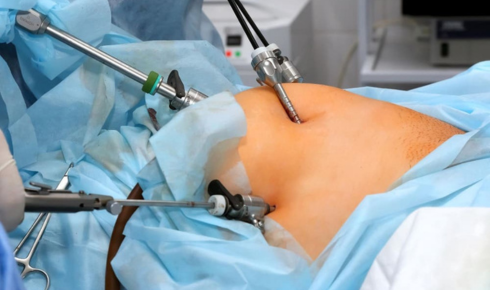
And then there’s the question of how the procedure is performed. Open surgery, minimally invasive techniques, even robotic-assisted approaches—each has its place.
The goal isn’t just to fix the problem. It’s to do so in a way that works best for you.
The Role of Experience Matters More Than You Think
Technology has improved, techniques have evolved—but there’s one factor that remains just as important as ever: the person performing the procedure.
That’s where surgical expertise comes in.
It’s not just about technical skill. It’s about judgment. Knowing which approach to take, how to adapt if something unexpected comes up, how to guide a patient through the process with clarity and confidence.
You can feel the difference when you’re working with someone experienced. There’s a sense of calm, of assurance, that’s hard to put into words but easy to recognize.
And when you’re facing surgery, that feeling matters more than most people expect.
What the Process Feels Like Today
If you’re imagining surgery as a chaotic or overwhelming experience, it might help to update that picture.
Modern care is surprisingly structured.
There’s a clear path—from diagnosis to treatment to recovery. You’re not left guessing what comes next. Instead, you’re guided through each step, with explanations that actually make sense.
Consultations feel more like conversations. Questions are encouraged. You’re part of the process, not just following instructions.
And that changes everything.
Because when you understand what’s happening, it feels less intimidating.
Recovery Isn’t Just About Waiting Anymore
Recovery is often the part people worry about the most. How long will it take? What will it feel like? When can I get back to normal?
The honest answer is—it depends.
But what’s changed is how recovery is approached. It’s no longer just about resting and hoping for the best. There’s guidance—on movement, on activity, on what to expect at each stage.
Patients are often encouraged to move sooner, within safe limits, to support healing rather than delay it.
It’s a more active process, and that makes it feel more manageable.
The Emotional Side of Surgery
This is something that doesn’t always get talked about, but it’s important.
Surgery isn’t just physical—it’s emotional too. There’s uncertainty, maybe a bit of fear, and a lot of questions.
What’s reassuring is that healthcare providers are becoming more aware of this. There’s more emphasis on communication, on making sure patients feel heard and supported.
Because it’s not just about fixing a problem—it’s about helping someone feel comfortable with the process.
Taking Your Time to Decide
One of the most empowering things you can do is give yourself time.
You don’t have to make decisions immediately. You can ask questions, seek second opinions, and take the time to understand your options.
And that’s important.
Because when you feel confident in your decision, everything else becomes a little easier to handle.
A Different Way of Looking at It
What’s interesting about hernia care today is how much it’s evolved—not just in terms of technique, but in how it’s experienced.
It’s no longer something that feels as daunting or uncertain as it once did. There’s more clarity, more support, and a stronger focus on the patient.
And that shift makes it easier to take action when it’s needed.
Because when something feels manageable, it feels possible.
Final Thoughts
A hernia might start as a small issue, but it’s not something to ignore indefinitely.
The good news is that modern treatment options are more advanced, more precise, and more patient-friendly than ever before.
If you’re dealing with symptoms or considering treatment, don’t hesitate to learn more, ask questions, and explore your options.
Because understanding what’s happening—and what can be done about it—doesn’t just help you make better decisions.
It helps you feel a little more in control.
And sometimes, that’s exactly what you need to take the next step forward.














Post Comment
You must be logged in to post a comment.