Category: Food

  • Innovative Twists on Indian Cuisine: Fusing Tradition with Modern Palates

    Innovative Twists on Indian Cuisine: Fusing Tradition with Modern Palates

    Indian cuisine, celebrated for its aromatic spices and centuries-old traditions, is entering a bold new era. Chefs across the globe are fearlessly experimenting with flavors and techniques, creating a dynamic fusion that honors history and excites the modern palate. This sense of adventure isn’t limited to a handful of standout restaurants; it has become a sweeping movement, inspiring experimental cooking in bustling urban centers and cozy home kitchens. Whether dining at a bustling street stall or a fine dining Indian restaurant Westchester, NY, food enthusiasts are discovering the magic that happens when classic recipes meet contemporary innovation. The mingling of old and new has brought about a renaissance, making Indian dining a thrilling journey of discovery.

    Embracing Global Influences

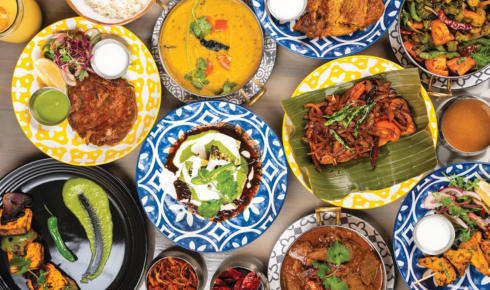
    Today’s Indian chefs thrive on experimentation, often blending elements from diverse international cuisines. The result is a delightful portfolio of cross-cultural creations, like sushi-inspired biryani rolls and Indo-Mexican chaat tacos. Other creative combinations include wasabi-infused chutneys, coconut milk risottos with curry leaf accents, and French-style mille-feuille layered with saffron cream and pistachios. These bold innovations reflect the spirit of a culinary world where geographical boundaries are increasingly irrelevant, giving rise to surprising new classics and memorable gastronomic adventures.

    Sustainability and Hyperlocal Ingredients

    Sustainability has become a key tenet in contemporary Indian cooking. Chefs in urban hubs and rural towns are prioritizing hyperlocal ingredients, seeking freshness and a sense of place in each dish. By embracing native produce and age-old preservation methods like fermentation, pickling, and dehydration, they celebrate seasonal abundance while minimizing environmental impact. This movement has sparked creative reinterpretations of everyday foods—think sun-dried tamarind peel adding depth to modern cheese boards and fermented mango chutneys lending complex flavor to tasting menus. Some chefs have even gone further, growing their herbs and vegetables or collaborating with local farmers to ensure minimal pesticides.

    Experiential Dining

    Dining is no longer just about flavor, but the entire sensory experience. The immersive supper club trend combines stories, art, and multi-course meals, offering an evocative journey through India’s diverse culinary landscapes. Guests might be transported by live sitar performances, regional storytelling, or interactive plating where diners assemble street snacks or desserts. Innovative pop-up kitchens and chef’s tables go beyond traditional restaurant settings, creating memorable moments where every bite is paired with visual artistry, music, or interactive theatre. These experiences have fueled a renewed appreciation for the connections between food, culture, and the senses, drawing in curious newcomers and those seeking deeper meaning in their meals.

    Reviving Ancient Techniques

    The roots of Indian cuisine run deep, with some cooking methods dating back millennia. In the quest for authenticity and depth, modern chefs are revitalizing ancient practices such as slow-roasting over open flames, clay pot (handi) cooking, and communal tandoor ovens. These time-honored techniques bring an unmatched richness and comfort to contemporary dishes—a smoky dal simmered all night or a gently charred naan, for example. Even forgotten skills like cold-pressed oil extraction, stone-grinding spices, or creating natural yogurt are experiencing a comeback in modern kitchens. The revival of these methods connects the diner to their food and the stories and traditions woven through generations, reminding guests of the labor and love baked into every meal.

    Future Outlook

    The next wave of Indian cuisine will be defined by fearless creativity and a deeper reverence for heritage. As adventurous diners seek modern interpretations and immersive experiences, chefs will continue to blur boundaries, drawing from global food movements and treasured family recipes. This ongoing evolution ensures Indian food remains vibrant, relevant, and beloved worldwide, promising ever more exciting table adventures in the years to come. Nourished by this mix of ingenuity and tradition, chefs and diners will surely discover new frontiers in flavor and cultural storytelling.

    Indian cuisine thrives on transformation. By embracing global ideas, emphasizing sustainability, and reimagining traditional dishes, culinary professionals create vibrant new chapters in the story of India’s food.
  • How to Book a Celebrity Chef: A Complete Guide on Agents, Fees, and Hiring the Right Star

    How to Book a Celebrity Chef: A Complete Guide on Agents, Fees, and Hiring the Right Star

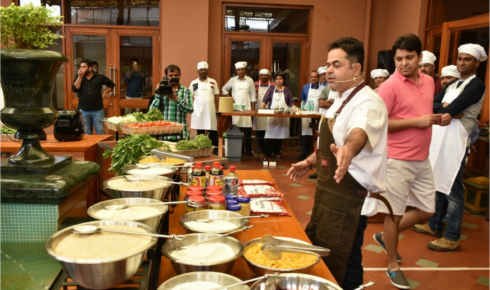
    In recent years, the culinary world has taken center stage, not just in kitchens but also across media, events, and high-end private functions. A celebrity chef is more than just a great cook — they are television personalities, authors, restaurateurs, and influencers in the world of food. Booking a celebrity chef can elevate your event, build brand credibility, and leave a lasting impression on your guests. But how do you go about hiring one, and what should you expect from the process?

    This guide will cover everything you need to know, including how to book a celebrity chef, what a celebrity chef agent does, and what kind of fees you should prepare for.


    What Is a Celebrity Chef?

    A celebrity chef is a culinary expert who has gained fame through TV shows, cookbooks, award-winning restaurants, or viral online content. Names like Gordon Ramsay, Padma Lakshmi, and Bobby Flay immediately come to mind. These chefs have become household names and often carry a loyal fanbase, which makes them ideal brand ambassadors and event highlights.

    Whether it’s a private party, product launch, or corporate gala, hiring a celebrity chef can transform your event from ordinary to unforgettable.


    What Does a Celebrity Chef Agent Do?

    To hire a celebrity chef, your first step is usually going through a celebrity chef agent. These agents are professionals who represent culinary stars, negotiate contracts, coordinate schedules, and handle the legal and financial aspects of the engagement.

    Working with an agent offers several advantages:

    • Access to the right talent: Agents represent a roster of chefs, so they can match you with one who aligns with your vision and budget.
    • Streamlined communication: You won’t need to reach out to chefs directly or deal with the complexities of their schedules.
    • Professional oversight: From travel arrangements to performance expectations, the agent handles it all, ensuring a smooth experience.

    How to Book a Celebrity Chef

    Booking a celebrity chef typically involves the following steps:

    1. Define your needs: Are you looking for a cooking demonstration, a keynote speech, or an intimate dinner party experience? Determine the scope of your event.
    2. Set your budget: Celebrity chefs come at different price points. More established names command higher fees, so it’s important to know what you can afford.
    3. Contact a reputable agency: Look for talent agencies or event planning firms that specialize in culinary bookings. Some agencies even allow you to browse chef profiles online.
    4. Negotiate terms: Once you’ve selected a chef, the agent will work with you to finalize the fee, contract, and logistics.
    5. Confirm the booking: After contracts are signed and deposits paid, the agent coordinates the event with the chef’s team.

    Celebrity Chef Fees: What to Expect

    The cost of hiring a celebrity chef varies widely. A rising culinary star may charge around $5,000 to $15,000 for an appearance, while top-tier names can demand upwards of $100,000 or more, especially for televised events or multi-day commitments.

    Several factors influence the fee:

    • Chef’s popularity and availability
    • Length and type of engagement
    • Location and travel needs
    • Additional services like meet-and-greets, signed cookbooks, or custom menus

    It’s also essential to account for hidden costs like travel expenses, accommodations, and equipment rental. The agent will typically outline all anticipated fees before finalizing the agreement.


    Why Hire a Celebrity Chef?

    Hiring a celebrity chef can boost your event’s prestige, attract media attention, and engage your audience in a unique way. Whether it’s a live cooking demonstration or an interactive tasting session, their presence adds a level of entertainment and sophistication that few other speakers can match.

    Moreover, brands often partner with celebrity chefs for endorsements, new product launches, or culinary-themed marketing campaigns. The chef’s established audience lends instant credibility and increases visibility across social media and news outlets.


    In conclusion, if you’re looking to book a celebrity chef, working with an experienced agent is key. From managing schedules to negotiating fees, the agent handles the complex logistics so you can focus on creating a memorable event. With the right planning and budget, bringing a celebrity chef into your next function is not just possible — it’s the recipe for success.

  • Organic apples: a responsible choice for a more sustainable diet

    Organic apples: a responsible choice for a more sustainable diet

    Organic apples aren’t just a treat for the palate, they’re also a real commitment to healthier eating and an environmentally-friendly lifestyle. If you’re wondering what really makes an organic apple different from a conventional one, or why they’re so important to eat, this article has all the answers. Find out how organic apples contribute to your well-being while protecting the planet.

    What are organic apples really?

    Organic apples come from organic farming, a method of cultivation that prioritises respect for the environment and human health. Unlike conventional apples, organic apples are grown without chemical pesticides or artificial fertilisers. This means they are better for both the environment and consumers.

    These apples are officially certified by recognised labels such as ‘AB’ (Agriculture Biologique), testifying to their traceability and irreproachable quality.

    A choice that respects the land and its producers

    Consuming organic apples means supporting agriculture that respects the environment and ecosystems. This choice promotes biodiversity by preserving the soil and reducing the use of chemicals that pollute the air, water and farmland.

    Organic farming favours sustainable management of natural resources, using methods such as crop rotation and the application of organic compost to nourish and strengthen the soil. By choosing organic products, you are actively helping to limit the environmental damage caused by intensive farming.

    A wealth of nutritional benefits for your health

    Organic apples are renowned for their superior nutritional quality. Grown without chemical treatments, they contain no harmful residues, making them particularly suitable for children and sensitive people. They are also a natural source of vitamins, minerals and antioxidants, essential for boosting the immune system and preventing certain illnesses.

    Organic farming preserves this nutritional richness by avoiding the use of chemical treatments. It’s a guarantee of quality for consumers looking for a healthier, more natural diet.

    Reducing your environmental footprint with organic apples

    Organic apples stand out for their low environmental impact. As well as respecting the natural cycles of the soil, organic farming supports biodiversity by encouraging crops to coexist with other species. Organic soils, enriched with organic matter, retain water better and make crops more resistant to extreme weather conditions. These fruits are an ideal solution for reducing your ecological footprint while helping to preserve the environment.

    Juliet apples: a high-quality, responsible choice

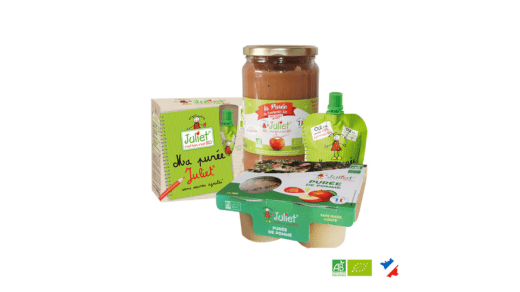
    Juliet apples, grown exclusively in France, stand out for their irreproachable commitment to organic farming. 100% organic, it complies with strict quality and environmental standards. By choosing Pomme Juliet, you are supporting local, sustainable production by passionate growers who are preserving the planet while offering you the very best of nature. Choosing Pomme Juliet means making a responsible choice for your health and the environment.

  • How to Complete the Burger King Franchise Application and Burger King Franchise Apply Process

    How to Complete the Burger King Franchise Application and Burger King Franchise Apply Process

    If you’re considering venturing into the world of franchising, Burger King franchise application is an excellent place to start. With its global recognition, proven business model, and loyal customer base, Burger King provides a fantastic opportunity for entrepreneurs. In this article, we’ll guide you through the entire process of burger king franchise apply, from the initial application to approval, helping you understand what it takes to become part of the iconic fast-food chain.

    Why Choose Burger King Franchise?

    Burger King is a renowned brand that has been serving customers since 1954. Today, it boasts thousands of restaurants across the globe, making it a prime choice for anyone looking to invest in a successful fast-food franchise. Here are a few reasons why you should consider becoming a Burger King franchisee:

    • Global Brand Recognition: Burger King’s world-famous Whopper and flame-grilled burgers have helped the brand maintain a strong presence in over 100 countries. This makes it an attractive investment for those looking to join a global powerhouse.
    • Proven Business Model: Burger King offers a well-established operational structure, which is tested and refined for optimal success. As a franchisee, you benefit from a comprehensive support system, including training, marketing, and operational guidelines.
    • Marketing Power: Burger King invests heavily in national and international marketing campaigns, ensuring that your restaurant benefits from high brand visibility and customer awareness.
    • Continuous Innovation: Burger King stays ahead of the competition by continuously introducing new products and services, keeping customers engaged and coming back for more.

    Step-by-Step Guide on How to Apply for a Burger King Franchise

    If you’re ready to get started, it’s time to dive into the bk franchise cost process. Below is a step-by-step guide to help you navigate the journey to becoming a franchisee.

    Step 1: Ensure You Meet the Eligibility Criteria

    Before you fill out the Burger King franchise application, make sure you meet the basic requirements. While Burger King values passion and commitment, they also expect franchisees to have a solid financial foundation and relevant experience in managing a business.

    Here are the common eligibility requirements for potential franchisees:

    • Financial Requirements: You should have a minimum net worth of $1 million, with at least $500,000 in liquid assets.
    • Business Experience: While previous experience in the food industry is a plus, it’s not always a requirement. However, you must demonstrate strong business acumen, leadership, and the ability to manage a fast-paced environment.
    • Commitment: Burger King expects franchisees to be committed to upholding the brand’s standards. This includes operational consistency, customer service, and maintaining the quality of food and service.

    Step 2: Fill Out the Franchise Application

    Once you meet the eligibility criteria, you can begin filling out the Burger King franchise application. You can usually access the application on Burger King’s official website or get in touch with the franchise development team to request an application form.

    The application will ask for detailed information about your financial status, business background, and motivations for wanting to franchise with Burger King. Be prepared to provide financial statements, references, and a thorough business plan.

    Step 3: Review the Franchise Disclosure Document (FDD)

    If your application is approved, Burger King will provide you with a Franchise Disclosure Document (FDD). The FDD contains important information regarding the franchise agreement, including the terms and conditions, fees, and legal obligations.

    It’s essential that you review the FDD carefully and understand all the details outlined in the document. It’s advisable to consult a lawyer or a financial advisor to ensure you fully comprehend your responsibilities before moving forward.

    Step 4: Attend an Interview

    After reviewing the FDD, you may be invited to attend an interview with the Burger King franchise team. This interview is an opportunity for both parties to get to know each other better. During this meeting, the franchise team will assess your ability to manage a Burger King restaurant and ensure that your business objectives align with the company’s values and vision.

    This is also your chance to ask questions about the franchise process, as well as the training and support that Burger King offers to franchisees.

    Step 5: Sign the Franchise Agreement

    Once you’ve passed the interview stage and received final approval, you’ll be asked to sign a franchise agreement. This legally binding contract outlines the terms and conditions of your partnership with Burger King. It includes important details such as franchise fees, royalty payments, and obligations regarding the operation and maintenance of the restaurant.

    Step 6: Restaurant Setup and Training

    After signing the agreement, Burger King will assist you in setting up your restaurant. This includes selecting the right location, designing the layout, and obtaining necessary equipment. In addition to the restaurant setup, you’ll go through an extensive training program, covering all aspects of running a Burger King franchise.

    The training typically lasts several weeks and will teach you how to manage operations, ensure customer satisfaction, and implement marketing strategies effectively.

    Step 7: Open Your Burger King Franchise

    Once your training is complete and your restaurant is ready, it’s time to open your Burger King franchise to the public! With Burger King’s strong brand presence and support system, you’ll be well-positioned to achieve success in the competitive fast-food industry.

    Understanding the Costs Involved

    Starting a Burger King franchise comes with several costs. The initial franchise fee is usually around $50,000, but the total investment can range from $1.5 million to $3 million, depending on the location and size of the restaurant. Other ongoing costs include royalty fees (typically 4.5% of gross sales) and contributions to marketing and advertising funds.

    Conclusion

    The Burger King franchise application process is thorough, but with careful preparation and a commitment to success, you can join one of the most recognized and respected brands in the world. By following the steps outlined in this article, you can smoothly navigate the Burger King franchise apply journey and build a profitable business for yourself. With the right support and dedication, you’ll be on your way to owning a successful Burger King franchise in no time.

  • Campa Cola Franchise: A Golden Business Opportunity

    Campa Cola Franchise: A Golden Business Opportunity

    Campa Cola, a brand that once dominated the Indian soft drink market, is making a grand comeback. After several years of absence, it is ready to reclaim its spot, and this time, with the help of entrepreneurs like you! Campa Cola is offering exciting business opportunities through its campa cola franchise, agency, and dealership models. This article will walk you through the process of applying for a Campa Cola dealership, and why you should consider becoming a part of this iconic brand’s revival.

    The Legacy of Campa Cola

    Launched in 1977, Campa Cola was an iconic Indian soft drink brand that became a household name across the country. With its affordable and refreshing beverages, it quickly gained popularity and competed fiercely with global giants like Coca-Cola and Pepsi. Despite its early success, Campa Cola eventually faded from the market due to the strong presence of its competitors.

    Now, after years of absence, Campa Cola has returned with a revitalized brand and a new vision for the future. With the resurgence of demand for carbonated beverages in India, especially in tier 2 and tier 3 cities, Campa Cola is re-entering the market by offering a Campa Cola franchise and dealership opportunities. This is your chance to be part of an exciting and profitable business venture.

    Why Choose a Campa Cola Franchise?

    Investing in a Campa Cola franchise offers numerous advantages for entrepreneurs. Here are some of the main reasons why becoming a franchisee could be a fantastic opportunity:

    1. Brand Recognition: One of the biggest benefits of investing in a Campa Cola franchise is its established brand recognition. Despite its absence from the market, many people still remember and cherish the brand. This nostalgia creates a strong emotional connection with consumers, making it easier for franchisees to attract customers.
    2. Proven Success: Campa Cola’s decades of experience in the beverage industry ensure a proven business model. As a franchisee, you get the advantage of running a business with an established brand that has already overcome many challenges and fine-tuned its processes.
    3. Comprehensive Training and Support: Campa Cola offers full training to its franchisees, helping them understand all aspects of business operations, including product knowledge, sales strategies, inventory management, and marketing. Franchisees also receive ongoing support to ensure the smooth running of their stores.
    4. Marketing Assistance: As a franchisee, you will benefit from Campa Cola’s marketing campaigns, including national and regional advertising efforts. The company actively invests in promoting the brand, which in turn drives more customers to your location, helping your business grow.
    5. Strong Profit Potential: The Indian soft drink market is growing, and with the rising demand for carbonated beverages, your Campa Cola franchise has excellent profit potential. By offering a wide variety of beverages at competitive prices, you are positioning your business for long-term success.

    How to Apply for a Campa Cola Franchise?

    Applying for a Campa Cola franchise is easy and straightforward. Here’s a step-by-step guide to help you get started:

    1. Visit the Official Campa Cola Website: The first step is to visit Campa Cola’s official website or get in touch with their franchise team to learn more about the application process.
    2. Complete the Application Form: The next step is to fill out an application form, which will require you to provide information such as your contact details, financial status, and the type of franchise you’re interested in.
    3. Review the Franchise Agreement: Once your application is reviewed and approved, you’ll be given a franchise agreement. Make sure to carefully read the terms and conditions before signing to ensure you fully understand your obligations and benefits as a franchisee.
    4. Investment and Setup: The investment required for a Campa Cola franchise varies depending on the location, size of the franchise, and other factors. Once you’ve made the investment, you can begin setting up your store, hiring staff, and stocking products.
    5. Launch Your Franchise: After setting up, you will be ready to open your Campa Cola franchise and start selling the beverages. The brand’s marketing efforts will help drive customers to your store, making it easier for you to build a loyal customer base.

    Campa Cola Dealership and Agency Opportunities

    In addition to the Campa Cola franchise, the company also offers dealership and agency opportunities for those looking for a more flexible business model. A Campa Cola dealership allows you to distribute their products to retailers, wholesalers, and other businesses. If you’re looking to scale your business quickly or reach a broader market, a dealership could be a great option.

    For those looking for a more localized approach, a campa cola agency allows individuals to promote and sell products in their community, building relationships with customers and boosting sales through local marketing efforts.

    Final Thoughts

    Campa Cola’s return to the market presents an exciting opportunity for entrepreneurs who are looking to invest in a trusted and established brand. Whether you’re interested in a Campa Cola Dealership Apply, dealership, or agency, the opportunities for growth and profitability are abundant.

    By partnering with Campa Cola, you can leverage the company’s strong brand, proven business model, and ongoing support to launch a successful business in the booming soft drink industry. Don’t miss out on the chance to be part of one of India’s most exciting business opportunities.

    Apply now and be a part of Campa Cola’s journey back to the top!

  • What are organic apples?

    What are organic apples?

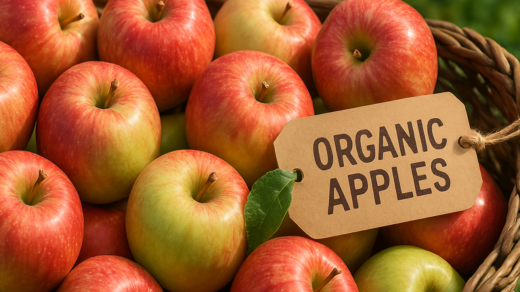
    Organic apples are fruit grown using methods that respect the environment, without the use of chemical pesticides or synthetic fertilizers. They are grown in orchards that favor sustainable practices and preserve biodiversity. They can be enjoyed as apples, but also as organic applesauce or juice.

    Organic apple growing

    Organic apple growing focuses on the use of natural agricultural practices to promote the growth of apple trees. This includes crop rotation, efficient water management and the promotion of healthy, nutrient-rich soils. Farmers avoid synthetic chemicals in favor of alternative methods, such as biological pest and disease control.

    Organic apples therefore offer several advantages over conventionally grown apples. They are often richer in essential nutrients, such as vitamins and antioxidants, because they are grown in more nutrient-rich soils. What’s more, they are free from pesticide residues, making them safer to consume, especially for children and sensitive individuals.

    A positive environmental impact

    Organic apple growing also helps to reduce the environmental footprint of agriculture. By avoiding the use of pesticides and synthetic fertilizers, it preserves water quality, reduces air pollution and preserves soil health. What’s more, by promoting biodiversity, organic orchards support local ecosystems and encourage the preservation of natural habitats and the living beings that inhabit them.

    The Juliet® apple, organic and French 

    The Juliet® apple stands out as the world’s first and only apple grown exclusively organically. All Juliet® apples available in our stores are certified organic, ensuring not only your well-being, but that of our planet too. Made 100% in France, they bear witness to our commitment to quality and the environment.

    Pommes Juliet® are grown without the use of synthetic pesticides, thus promoting an approach that respects both the environment and your health. Our apples are meticulously picked by hand, ensuring that they are harvested at the optimum moment of ripeness. This traditional method ensures the quality and authentic flavor of our apples.

    To reduce our environmental footprint, we also opt for packaging made from recycled and recyclable materials. Not only is this environmentally friendly, it also gives waste a second life.

    Immerse yourself in the rich and diverse world of Pomme Juliet® by discovering our wide range of products. From pure organic no-sugar-added apple juice to organic sparkling wine, organic cider, organic apple purée and compote, and cider vinegar, our products are sure to delight your taste buds.

  • Mio Amore Franchise: Everything You Need to Know

    Mio Amore Franchise: Everything You Need to Know

    If you are passionate about the food and bakery business, starting a Mio Amore franchise could be the perfect opportunity for you. Known for its delicious range of cakes, pastries, and other baked goods, Mio Amore has carved out a strong reputation in India. In this article, we will explore what it takes to open a Mio Amore franchise, what you can expect in terms of investment, and the business model that has made Mio Amore one of the most successful bakery chains in the country.

    About Mio Amore

    Mio Amore is a brand that emerged from the former Monginis franchise. After Monginis shifted its focus to Mumbai, Mio Amore took over operations in West Bengal and Odisha. Today, it has become synonymous with fresh, affordable, and quality bakery products. mio amore franchise cost Mio Amore operates in several states, offering a wide array of cakes, pastries, snacks, and beverages.

    Mio Amore focuses on delivering delicious baked goods to the mass market, maintaining high standards of hygiene, and delivering exceptional customer service. With over 250 outlets and growing, Mio Amore is a trusted brand in the bakery and fast food sector.

    Why Choose a Mio Amore Franchise?

    Before diving into the financial aspects, it’s essential to understand why a Mio Amore franchise can be a rewarding investment. Here are some of the primary benefits of owning one:

    1. Established Brand Recognition

    Mio Amore is a household name in parts of India, particularly in West Bengal and Odisha. With its reputation for quality and affordability, the brand has a loyal customer base, making it easier for franchise owners to attract customers without much effort.

    2. Affordable Investment

    In comparison to other fast-food franchises, Mio Amore offers a lower initial investment. This makes it a more accessible opportunity for entrepreneurs who are looking to break into the food industry without investing exorbitant amounts of capital.

    3. High-Profit Margins

    The bakery business is known for offering high-profit margins, primarily because of the relatively low cost of raw materials. Mio Amore’s products, especially cakes and pastries, are priced competitively, but they still offer substantial profits to franchise owners.

    4. Minimal Operational Hassles

    Unlike full-service restaurants, running a bakery franchise involves minimal operational complexities. Mio Amore franchisees receive comprehensive training and operational support, allowing them to manage day-to-day tasks smoothly.

    5. Product Range and Variety

    Mio Amore offers an extensive range of products that cater to different taste preferences. From sweet delicacies like cakes and pastries to savory snacks, there’s something for everyone. This variety helps drive foot traffic, and the repeat business is an excellent source of consistent revenue.

    Initial Investment and Setup

    The Mio Amore franchise cost includes several components such as the franchise fee, the cost of equipment, and the cost of setting up the store.

    1. Franchise Fee

    The franchise fee is the initial cost you’ll pay to the parent company for the right to use the Mio Amore brand and business model. This is typically the first step in the process, and once paid, you gain access to the company’s resources, including its brand name, operating manual, and ongoing support.

    2. Store Setup Cost

    Setting up a Mio Amore franchise requires a certain level of investment in real estate, store interiors, and equipment. Since Mio Amore outlets are typically small and designed for takeaway, the space requirement is relatively modest, ranging from 250 to 300 square feet.

    The store setup cost includes expenses like furniture, lighting, air conditioning, and the overall interior design that adheres to Mio Amore’s brand standards. You will also need to invest in kitchen equipment like ovens, refrigerators, and display units.

    3. Equipment Cost

    Running a bakery requires specialized equipment to produce and store the products. Mio Amore will provide detailed guidelines about the equipment needed for baking, cooling, and displaying the items. The equipment cost is a crucial part of your initial investment, and these will need to meet the brand’s operational standards.

    4. Staff and Training

    To operate a Mio Amore franchise efficiently, you’ll need trained staff. Mio Amore provides comprehensive training programs to ensure that franchisees and their staff are well-versed in the brand’s operations, including customer service, product preparation, and store management.

    Ongoing Costs

    Apart from the initial investment, there are several ongoing costs to keep in mind:

    1. Royalty Fees

    Like most franchise models, Mio Amore will likely charge a royalty fee, which is a percentage of your monthly sales. This fee covers the ongoing support and marketing efforts provided by the parent company.

    2. Marketing and Advertising

    While Mio Amore runs its nationwide marketing campaigns, as a franchise owner, you might be required to contribute to local marketing efforts. This could involve promotional offers, social media marketing, or local newspaper ads.

    3. Raw Materials

    One of the significant ongoing expenses is the procurement of raw materials such as flour, sugar, eggs, and other ingredients. Mio Amore has a centralized supply chain that ensures all franchisees receive the highest quality ingredients.

    Profit Potential and ROI

    A Mio Amore franchise offers a good return on investment (ROI) if managed well. Thanks to its low operational costs and high-profit margins, franchisees can expect a steady stream of income. The profitability depends on factors such as location, foot traffic, and the level of competition.

    On average, it is estimated that a Mio Amore franchise can recover its initial investment within 2 to 3 years. However, this timeline can vary based on your specific circumstances.

    How to Apply for a Mio Amore Franchise

    If you’re interested in starting a Mio Amore franchise, you will need to follow these steps:

    1. Visit the Official Website

    Begin by visiting the official Mio Amore website to gather information about the franchise model, the application process, and the required qualifications.

    2. Submit Your Application

    Once you’ve reviewed the details, you can submit an application for consideration. mio amore dealership The application will ask for details about your location, financial capability, and previous business experience.

    3. Franchise Approval

    Upon receiving your application, Mio Amore will evaluate your proposal and conduct a background check. If you meet the company’s criteria, you’ll be invited for an interview and site inspection.

    4. Sign the Franchise Agreement

    Once approved, you will need to sign the franchise agreement and pay the initial franchise fee. From here, you’ll receive support in setting up your store and running your business effectively.

    Conclusion

    Opening a Mio Amore franchise is an attractive opportunity for entrepreneurs looking to enter the food and bakery business. With an established brand, low investment cost, and high-profit margins, Mio Amore provides a solid business model for success. By following the steps outlined in this article, you can embark on a rewarding journey with Mio Amore.

  • Amul Franchise: A Gateway to Business Success

    Amul Franchise: A Gateway to Business Success

    When it comes to the Indian dairy industry, one name that resonates with almost everyone is Amul. With a rich history dating back to 1946, Amul has become a household name known for its quality dairy products. For entrepreneurs looking to dive into the food and beverage sector, investing in an Amul Franchise offers an incredible opportunity. This article will explore the essentials of an Amul franchise, how to get started, and the potential benefits it brings to the table.

    What is Amul?

    Amul, which stands for the Anand Milk Union Limited, was founded with the vision of empowering Indian dairy farmers by providing them with a cooperative platform to sell their milk. Today, Amul is the largest producer of dairy products in India, Amul Franchise offering a wide range of products including milk, butter, cheese, yogurt, and ice cream. The brand’s slogan, “The Taste of India,” is a testament to its commitment to quality and tradition, making Amul a beloved choice across generations.

    The Franchise Model

    The Amul Franchise model is designed to help the company expand its retail presence across India while providing entrepreneurs a lucrative business opportunity. Unlike many franchise models that require hefty initial investments, Amul’s franchise model is more accessible, with relatively low startup costs and an established brand to back it.

    Types of Amul Franchises

    Amul offers two main types of franchise models, each catering to different kinds of entrepreneurs and locations:

    1. Amul Preferred Outlet (APO) or Amul Railway Parlor

    An Amul Preferred Outlet or an Amul Railway Parlor is a franchise that focuses primarily on selling dairy products directly to consumers. These outlets are typically small shops or kiosks located in high-footfall areas like railway stations, marketplaces, or residential areas. This model is perfect for entrepreneurs looking to start a small, local business.

    Investment Required:
    The initial investment for an Amul Preferred Outlet ranges from INR 2 to 5 lakhs. The low setup cost makes it an attractive option for first-time business owners. The franchisee needs to secure a retail space and ensure that the shop is well-designed to attract customers.

    Profit Margins:
    The profit margin on Amul products is competitive. Franchisees can earn a commission of 2.5% on pouch milk and around 20% on other products like butter, cheese, and ice cream.

    2. Amul Ice Cream Scooping Parlor

    The Amul Ice Cream Scooping Parlor is a more specialized franchise that focuses primarily on selling Amul ice creams in a more elaborate setup. These parlors are usually located in shopping malls, busy streets, or other high-traffic locations where customers can sit and enjoy a wide range of ice cream flavors.

    Investment Required:
    The initial investment for an Amul Ice Cream Scooping Parlor ranges between INR 5 to 10 lakhs. The cost includes setting up the parlor with appropriate interiors, seating, and specialized equipment like ice cream freezers and scooping stations.

    Profit Margins:
    The profit margins for an Amul Ice Cream Scooping Parlor are quite appealing, with franchisees earning around 50% margins on scooped ice cream and up to 20% on other dairy products sold in the store.

    Steps to Get an Amul Franchise

    The process of getting an Amul Franchise is fairly straightforward. Here’s a step-by-step guide:

    1. Visit the Official Website

    The first step is to visit Amul’s official website or contact the company directly to express your interest in becoming a franchisee. The website provides detailed information about the types of franchises available, the investment required, and the application process.

    2. Choose Your Franchise Type

    Once you have reviewed the available options, you can choose whether you want to open an Amul Preferred Outlet, an Amul Railway Parlor, or an Amul Ice Cream Scooping Parlor. Depending on your location and budget, you can select the option that best suits your business plan.

    3. Submit an Application

    The next step is to fill out and submit the franchise application form. This includes providing details about your proposed location, business experience (if any), and your investment capability.

    4. Await Approval

    Amul’s team will review your application to ensure that your proposed location and business plan align with their goals. Once approved, you will receive the necessary training and support from Amul to set up your franchise.

    5. Set Up Your Outlet

    Once you receive approval, you can start setting up your outlet. Amul provides extensive support, including branding, marketing materials, and assistance in sourcing products. The franchisee is responsible for interior design, staffing, and day-to-day operations.

    Why Choose an Amul Franchise?

    There are several reasons why an Amul Franchise is an attractive business opportunity:

    1. Low Initial Investment

    Compared to many other franchise models, Amul requires a relatively low initial investment, making it accessible to a wide range of entrepreneurs.

    2. Established Brand

    Amul is a trusted and well-recognized brand in India. By partnering with Amul, franchisees benefit from the brand’s long-standing reputation and customer loyalty.

    3. Quick Return on Investment (ROI)

    Due to the strong demand for Amul products, franchisees can expect a relatively quick return on investment. With competitive profit margins, franchisees often recoup their initial investment within a few years.

    4. Support and Training

    Amul provides its franchisees with comprehensive support and training, ensuring that they have the tools and knowledge needed to run a successful business. This includes assistance with sourcing products, marketing, and day-to-day operations.

    Challenges of Running an Amul Franchise

    While an Amul Franchise offers many benefits, it’s important to be aware of the potential challenges as well:

    1. Competition

    Since Amul products are widely available, franchisees may face competition from local stores and other Amul outlets in the area. It’s essential to choose a strategic location with high foot traffic to maximize sales.

    2. Space and Infrastructure Requirements

    Though the initial investment is relatively low, franchisees still need to secure suitable retail space and invest in necessary infrastructure like refrigeration units and storage. amul franchise apply online Ensuring the shop is in a prime location is crucial for success.

    3. Limited Product Range

    While Amul’s dairy products are in high demand, the range of products you can sell is limited to the company’s offerings. Unlike independent businesses that can diversify their product lines, franchisees must adhere to Amul’s product list.

    Conclusion

    Investing in an Amul Franchise is an excellent opportunity for aspiring entrepreneurs looking to enter the food and beverage industry with a trusted and beloved brand. With low startup costs, strong profit margins, and extensive support from Amul, franchisees have the potential to build a profitable business while serving high-quality products.