
Why a Multi-Stage Water Filtration System Makes a Real Difference at Home
Water is one of those things we rarely think about until something feels off. Maybe the tap water starts tasting metallic, your shower leaves…
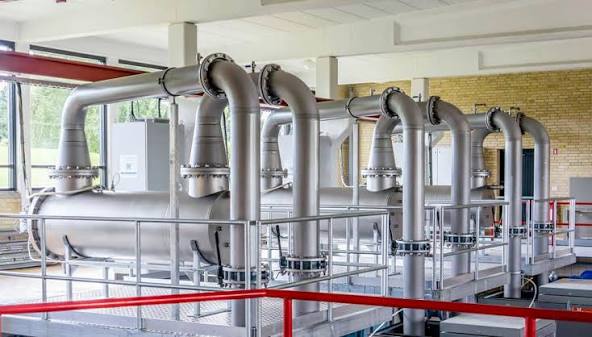
Water is one of those things we rarely think about until something feels off. Maybe the tap water starts tasting metallic, your shower leaves your skin feeling dry, or stubborn white spots appear on every clean glass. Little signs like these often hint that the water flowing into your home could use more than just a basic filter.
The truth is, no single filtration method can solve every water quality issue. Different contaminants require different treatment processes, which is exactly why multi-stage water filtration systems have become increasingly popular. Instead of relying on one filter to do everything, these systems combine several technologies that work together, creating cleaner, safer, and better-tasting water throughout the house.
Every Water Source Tells a Different Story
Water doesn’t arrive at every home in the same condition. A family using municipal water may worry about chlorine, while someone relying on a private well might deal with sediment, sulfur odors, or naturally occurring minerals. Even neighboring homes can experience completely different water challenges.
That’s why homeowners often discover that a “one-size-fits-all” filter doesn’t quite deliver the results they expected. Water treatment works best when multiple layers of protection address different issues individually instead of asking one filter to handle everything at once.
It’s a bit like cleaning a dirty window. You wouldn’t expect a single wipe to remove dust, grease, fingerprints, and water spots perfectly. Water treatment follows a similar principle.
Starting with the Bigger Problems
Most filtration systems begin by removing larger particles such as dirt, rust, sand, and sediment. These materials may not always pose health concerns, but they certainly affect water quality and can shorten the life of plumbing fixtures and household appliances.
Sediment filters also help protect the more advanced filters that come later in the process. Without this first barrier, finer filtration media would clog much faster, leading to reduced performance and more frequent maintenance.
It’s a simple step, yet one that quietly improves the efficiency of everything that follows.
Tackling Hard Water Before It Creates Damage
Hard water remains one of the most common household water complaints. When calcium and magnesium levels are high, homeowners often notice soap that refuses to lather properly, cloudy dishes, mineral buildup on faucets, and appliances that wear out sooner than expected.
A dedicated uv disinfection helps reduce these hardness minerals before they move deeper into your home’s plumbing system. Once hard water is treated, many people immediately notice softer laundry, smoother skin after showers, cleaner sinks, and even improved efficiency from water heaters.
While softened water doesn’t necessarily remove contaminants, it dramatically improves the everyday experience of using water throughout the house.
Removing What You Can Taste and Smell
One of the biggest reasons people invest in home filtration is simple—they want water that tastes fresh.
Municipal water treatment often relies on chlorine to eliminate harmful microorganisms before water reaches homes. While effective for public health, chlorine can leave behind an unpleasant taste and odor that many people dislike.
This is where water softening stage becomes incredibly valuable. Carbon media absorbs chlorine, volatile organic compounds (VOCs), certain chemicals, and many odor-causing substances that affect the overall drinking experience.
It’s surprising how much difference this stage can make. Many homeowners describe the improvement as subtle at first, but after getting used to cleaner water, returning to untreated tap water becomes immediately noticeable.
Coffee tastes richer, tea feels smoother, and even homemade soups often benefit from better-quality water.
Adding an Extra Layer of Protection
Some contaminants aren’t visible, and that’s exactly why additional treatment stages matter.
Modern filtration systems often include activated carbon filtration as the final safeguard. Instead of using chemicals, ultraviolet light neutralizes bacteria, viruses, and other microorganisms that may still be present after earlier filtration stages.
This technology has become especially popular among households using private wells, although municipal water users also appreciate the added reassurance.
One of the nicest aspects of UV treatment is that it disinfects water without changing its taste or introducing additional chemicals. It simply adds another protective layer that works quietly in the background every time water flows through the system.
Why Multiple Stages Work Better Together
Think of a filtration system as a team rather than a single player.
Sediment filters capture larger particles.
Water softeners reduce mineral buildup.
Carbon filters improve taste and remove many chemical contaminants.
UV systems help address microorganisms.
Each stage performs a specific job exceptionally well, allowing the entire system to deliver results that would be difficult for any individual filter to achieve alone.
This layered approach also extends the lifespan of individual components since each stage only handles the contaminants it was designed for.
The Everyday Benefits You Actually Notice
People often assume water filtration is mainly about drinking water, but the improvements extend far beyond the kitchen sink.
Cleaner water can leave clothes feeling softer after washing. Shower doors require less scrubbing. Soap and shampoo rinse away more easily. Coffee makers and kettles accumulate less scale. Even ice cubes often appear clearer.
These aren’t dramatic overnight transformations, but they add up over weeks and months. Many homeowners find themselves spending less time cleaning mineral deposits while enjoying water that simply feels better in everyday life.
That kind of improvement becomes surprisingly easy to appreciate once you’ve lived with it.
Choosing a System That Fits Your Home
Not every household requires the exact same combination of filtration technologies.
Before investing, it’s worth having your water professionally tested. Knowing what’s actually present in your water helps avoid spending money on unnecessary equipment while ensuring genuine problems receive the right treatment.
A customized approach almost always performs better than buying the biggest or most expensive filtration unit available.
Professional installation also helps maximize efficiency, ensuring every stage functions correctly and the system continues delivering reliable performance for years.
Better Water Is an Investment You Feel Every Day
Water touches nearly every part of daily life—from morning coffee to evening showers, cooking dinner, washing clothes, and filling a child’s water bottle before school.
That’s why improving water quality often has a bigger impact than people initially expect.
A thoughtfully designed multi-stage filtration system isn’t about chasing perfection. It’s about combining proven technologies that complement one another, creating water that’s cleaner, tastes better, protects plumbing, and gives homeowners greater confidence every time they turn on the tap.
In the end, it’s less about fancy equipment and more about making something we use dozens of times each day a little healthier, a little fresher, and a whole lot more enjoyable.
Adjacent Readings
 Home Services
What Your Well Water Is Trying to Tell You
Choosing the Right Water Treatment Approach for Your Business
Water is easy to overlook when everything is working as it should. A tap opens, water flows, equipment runs, and nobody thinks twice about…