
Choosing the Right Water Treatment Approach for Your Business
Water is easy to overlook when everything is working as it should. A tap opens, water flows, equipment runs, and nobody thinks twice about…
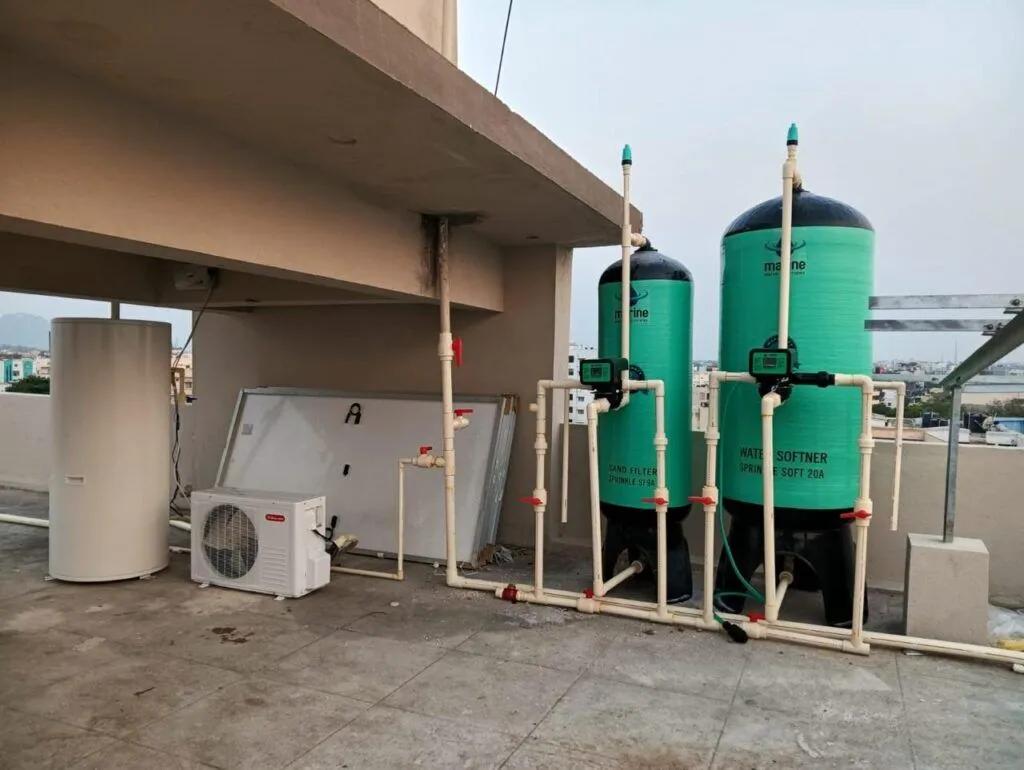
Water is easy to overlook when everything is working as it should. A tap opens, water flows, equipment runs, and nobody thinks twice about it. But in a commercial setting, water quality can quietly affect operations, maintenance costs, customer experience, and even the lifespan of expensive equipment.
That’s why choosing the right commercial water solutions isn’t simply about getting cleaner water. It’s about understanding what your business actually needs and building a system that can keep up with daily demand. A small restaurant, hotel, manufacturing facility, office building, and healthcare property can all have very different water challenges.
The good news is that you don’t necessarily need the biggest or most complicated system. You need the right one.
Start With the Water, Not the Equipment
One common mistake businesses make is shopping for equipment before understanding the water itself. It’s a bit like buying medicine before knowing what’s wrong.
Water can contain sediment, chlorine, hardness minerals, iron, microorganisms, or other unwanted substances depending on the source and local conditions. Municipal water and private well water, for instance, can present completely different concerns.
A professional water analysis can identify what’s actually present and, just as importantly, at what concentration. From there, it becomes easier to determine whether filtration, softening, disinfection, reverse osmosis, or a combination of technologies makes sense.
This approach also prevents unnecessary spending. If your main problem is hard water causing scale inside boilers or commercial dishwashers, a targeted softening solution may be more useful than a complex filtration setup designed for contaminants you don’t actually have.
Why Commercial Water Needs Are Different
A household might use water throughout the day, but a commercial property can consume a tremendous amount in a very short period. Think about a hotel during breakfast, a restaurant during its busiest dinner service, or a manufacturing facility operating multiple production lines.
Flow rate and peak demand matter.
A system that works perfectly in a small office could struggle badly in a busy commercial environment. When treatment equipment can’t keep up, water pressure may suffer, treated-water quality can become inconsistent, and equipment may experience unnecessary stress.
Sizing, therefore, shouldn’t be based only on average daily consumption. Professionals typically consider peak flow, the number of fixtures, operating hours, water chemistry, and the specific demands of connected equipment.
It’s one of those details that doesn’t sound exciting on paper, but it can make a huge difference in the real world.
The Role of Water Softeners and Filtration
Hard water is one of the most common issues businesses encounter. Calcium and magnesium can leave behind scale, particularly in water heaters, boilers, commercial coffee machines, dishwashers, and other equipment that regularly heats water.
Over time, that buildup may reduce efficiency and increase maintenance requirements.
Water softeners can help address hardness by reducing calcium and magnesium ions before water reaches sensitive equipment. Filtration systems, meanwhile, can target sediment, chlorine, tastes, odors, and certain other contaminants depending on the technology used.
The key is matching the treatment method to the problem. Not every filter removes every contaminant, and a water softener isn’t designed to solve every water-quality concern.
Understanding that distinction helps businesses avoid expensive systems that look impressive but don’t actually solve their biggest issue.
Installation Matters More Than People Think
Even excellent equipment can underperform when it’s installed incorrectly. Pipe sizing, bypass arrangements, drainage, pressure, electrical requirements, flow direction, and system configuration all deserve attention.
That’s where expert installation becomes valuable. Experienced professionals can assess the site before installation, identify practical limitations, and make sure the treatment equipment works properly with the building’s existing plumbing.
Commercial installations can also be more complicated than they appear. Access may be limited, operations may need to continue during the work, and equipment might need to be integrated with existing tanks, pumps, heaters, or production systems.
A thoughtful installation minimizes disruption and gives the system a better chance of performing reliably for years.
Don’t Ignore Maintenance
Installing a treatment system isn’t the finish line. Like almost any piece of commercial equipment, water-treatment equipment needs routine attention.
Filters need replacement. Softener components may need servicing. Membranes can foul. Sensors and valves can eventually wear. Storage tanks and plumbing connections should also be inspected periodically.
Maintenance schedules depend on the technology and the amount of water being treated. A busy restaurant may need more frequent service than a small office, while an industrial operation may require a much more structured maintenance program.
It’s tempting to postpone routine service when everything seems fine. But water systems often give subtle warning signs before a major problem develops: reduced pressure, changes in taste or odor, increasing scale, unusual noise, or higher operating costs.
Catching those signs early is usually much cheaper than dealing with a sudden failure.
Choosing Between Point-of-Use and Whole-Building Treatment
Not every business needs treatment throughout the entire property.
Point-of-use systems can make sense when the main concern is drinking water or a particular piece of equipment. A restaurant, for example, might want highly treated water for ice machines and beverage equipment without treating every gallon used for cleaning floors.
Whole-building treatment can be more appropriate when water quality affects plumbing, showers, boilers, production equipment, or multiple departments.
There are also situations where combining approaches makes sense. A business could use general filtration for incoming water and a specialized purification system at selected points.
The best setup isn’t necessarily the one with the most equipment. It’s the one that treats water where treatment is actually needed.
Think About Long-Term Operating Costs
Price matters, of course, but the purchase cost is only part of the equation.
Businesses should also consider filter replacements, salt or other consumables, electricity, water waste, servicing, replacement parts, and the potential effect on equipment efficiency.
A cheaper system can become surprisingly expensive if it requires frequent maintenance or doesn’t adequately protect downstream equipment. On the other hand, a higher-quality system may pay for itself by reducing scale, extending equipment life, or lowering maintenance demands.
Ask suppliers for a realistic picture of ownership costs rather than focusing only on the initial quote. It’s a small shift in perspective, but a useful one.
Building a Water Strategy That Makes Sense
The right water treatment systems should support the way your business actually operates. That means looking beyond water quality alone and considering capacity, equipment protection, maintenance, available space, budget, and future growth.
A growing restaurant may need more capacity next year. A hotel might add rooms. A manufacturing facility could expand production. Planning for those possibilities can prevent another major system overhaul down the road.
Most importantly, don’t treat water as an afterthought. It touches more parts of a commercial operation than many owners realize.
Good water management is often quiet. Customers may never notice the filtration equipment in the back room or the softener tucked away near the mechanical area. And honestly, that’s the point. When the system is properly selected, installed, and maintained, it simply does its job.
For businesses that depend on reliable water every day, that kind of consistency isn’t a luxury. It’s part of running a smarter, more dependable operation.
Adjacent Readings
 Home Services
Cleaner Water, Smarter Choices: Understanding Modern Water Purification Systems
Why Better Water Testing Leads to Smarter Commercial Decisions
Water quietly supports almost every part of a commercial property. It is used for drinking, cooking, cleaning, cooling, laundry, food preparation, and countless other…