
Why Better Water Testing Leads to Smarter Commercial Decisions
Water quietly supports almost every part of a commercial property. It is used for drinking, cooking, cleaning, cooling, laundry, food preparation, and countless other…
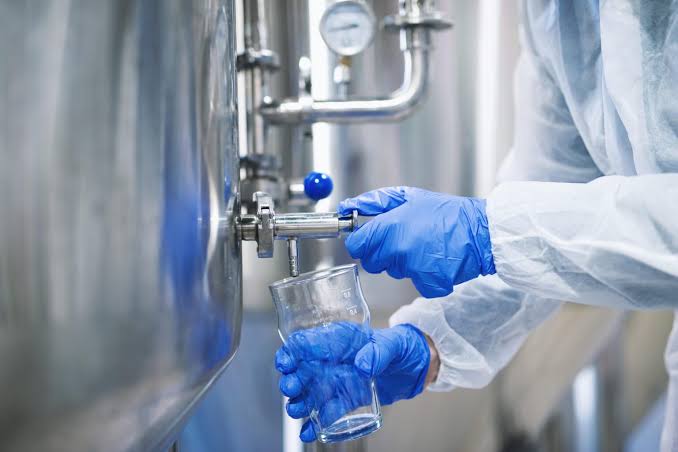
Water quietly supports almost every part of a commercial property. It is used for drinking, cooking, cleaning, cooling, laundry, food preparation, and countless other daily tasks. When the water quality changes, the effects can show up in unexpected places — a stained glass, a struggling appliance, an unusual taste, or a maintenance bill that seems higher than it should.
For businesses, guessing isn’t a great strategy. Water quality can vary from one location to another, and even water that looks perfectly clear may contain minerals or other substances worth understanding. That’s why testing is such a useful starting point.
Understanding What Is Actually in Your Water
Water quality isn’t just about whether water looks clean. It can involve hardness, pH, dissolved minerals, sediment, chlorine, iron, and other characteristics. Different businesses may have completely different concerns depending on their water source and daily usage.
A restaurant, for instance, might be particularly concerned about mineral buildup in dishwashers and ice machines. A hotel could be more focused on guest comfort, laundry, and water-heating equipment. A manufacturing facility may have much more specialized requirements.
This is where commercial water testing becomes valuable. Testing gives businesses a clearer picture of their incoming water instead of relying on assumptions or visual inspection alone.
Why Guesswork Can Become Expensive
It can be tempting to install a filtration or softening system simply because another business has one. But water treatment isn’t really a one-size-fits-all decision.
Imagine purchasing a system designed primarily for hard water when hardness isn’t your main issue. You could spend thousands of dollars and still have the original problem. On the other hand, ignoring hardness when it is causing scale can lead to repeated maintenance and equipment problems.
Testing first helps narrow things down. It’s a relatively simple step that can prevent a much more expensive wrong turn later.
Getting Accurate Water Data
Good decisions depend on good information. Accurate water data can help property owners, facility managers, and technicians understand what is happening inside the water supply.
A proper analysis may provide information about hardness, pH, total dissolved solids, minerals, and other relevant characteristics. The exact tests needed depend on the property and the intended use of the water.
The results don’t have to be intimidating, either. A qualified water-treatment professional can explain what the numbers mean and which findings actually matter. Not every result requires immediate action. Sometimes the best decision is simply to monitor the situation.
Connecting Water Quality With Equipment Performance
Commercial equipment often has a close relationship with water quality. Water heaters, boilers, dishwashers, coffee machines, ice makers, steam equipment, and laundry systems may all respond differently depending on what’s in the water.
Hardness, for example, can contribute to scale formation. Over time, that buildup may interfere with heat transfer and water flow. Sediment can create another set of problems by collecting in valves, filters, or other components.
These issues usually don’t appear overnight. That’s what makes them easy to overlook. Equipment may continue working while gradually becoming less efficient.
Choosing the Right Treatment Approach
Once testing identifies the main concerns, businesses can consider treatment options that actually match their needs.
Water softeners are commonly used for hardness. Sediment filters can help reduce suspended particles, while carbon filtration may be appropriate for certain taste and odor concerns. Other treatment technologies are available for more specific water-quality challenges.
The objective is effective treatment, not simply adding more equipment. Installing multiple systems without understanding why each one is needed can create unnecessary maintenance and operating costs.
A smaller, well-matched system can sometimes accomplish more than a complicated setup that wasn’t properly planned.
Water Testing Can Support Preventive Maintenance
Testing doesn’t have to happen only when something goes wrong. Regular water analysis can become part of a broader preventive-maintenance program.
For example, if a facility knows that its water has relatively high hardness, managers can keep a closer eye on scale-sensitive equipment. If water characteristics begin changing, that information can prompt an earlier investigation.
This approach is especially useful for businesses that depend heavily on water. Preventing a problem is generally less disruptive than discovering it when an important machine stops working during a busy period.
Why Testing Frequency Matters
There isn’t one universal testing schedule for every commercial property. The right frequency depends on the water source, local conditions, business type, equipment, and previous test results.
Some facilities may benefit from regular scheduled testing, while others may only need testing when there is a noticeable change or a specific operational concern.
Businesses using private wells may also need to pay closer attention to changes in their water source. Seasonal conditions, nearby activities, or other environmental factors can influence water characteristics.
The important thing is consistency. If testing is part of your water-management plan, keep records so changes can be compared over time.
Making Water Management a Business Decision
Water treatment is sometimes treated as a maintenance expense that businesses simply have to accept. A better perspective is to view it as part of protecting daily operations.
Reliable water quality can support equipment performance, cleaning routines, product consistency, and customer experience. In a restaurant, for example, water can influence everything from beverages to ice to dishwashing. In a hotel, it affects guest rooms, laundry, kitchens, and mechanical systems.
Understanding the water first makes those decisions easier.
A Clearer Path to Better Water Quality
The smartest water-treatment decisions usually begin with a simple question: what is actually in the water?
Testing provides the information needed to answer that question. From there, businesses can decide whether treatment is necessary, which technology makes sense, and how frequently the system should be monitored.
There is no need to overcomplicate the process. Test the water, understand the results, address genuine concerns, and maintain the equipment properly.
Water may operate quietly in the background, but its impact on a commercial property can be significant. With the right information and a thoughtful approach, businesses can turn water management from a reactive chore into a practical part of long-term facility care.
Adjacent Readings
 Home Services
Choosing the Right Water Treatment Approach for Your Business
Cleaner Water, Smarter Choices: Understanding Modern Water Purification Systems
Water is one of those things we tend to take for granted. Turn on the tap, fill a glass, and move on with the…