
What Your Well Water Is Trying to Tell You
For many homeowners, well water feels wonderfully simple. It comes straight from the ground, there’s no municipal water bill, and you know exactly where…
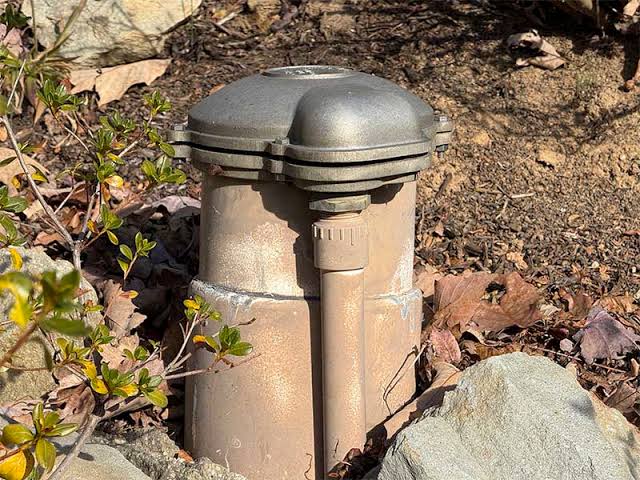
For many homeowners, well water feels wonderfully simple. It comes straight from the ground, there’s no municipal water bill, and you know exactly where your supply begins. But there’s a catch: groundwater isn’t automatically clean just because it comes from nature. The quality of well water can change with seasons, nearby land use, plumbing conditions, rainfall, and the geology beneath your property.
That’s why understanding your water matters. A glass of water may look perfectly clear and still contain minerals, bacteria, sediment, or other substances you’d rather not have in your drinking water. Good well water treatment starts with finding out what’s actually in the water, rather than guessing.
Why Well Water Quality Can Change
Unlike treated municipal water, private wells generally aren’t managed by a public water utility. The responsibility for testing and maintaining the system falls largely on the homeowner. That can sound intimidating, but it really comes down to paying attention.
Groundwater moves through layers of soil and rock before reaching your well. Along the way, it can pick up naturally occurring minerals such as iron, manganese, calcium, and magnesium. Depending on the area, groundwater may also be affected by agricultural activity, septic systems, industrial operations, or other sources near the property.
Even water that has always tasted fine can change over time. Heavy rain, flooding, construction, or a damaged well casing can introduce new problems.
Sometimes your senses give you the first clue. A metallic taste, rotten-egg odor, cloudy appearance, orange staining around fixtures, or persistent sediment can all suggest that something deserves a closer look.
Testing Should Come Before Treatment
It’s tempting to buy a filter after noticing an unpleasant taste or stain. But water treatment isn’t really a one-size-fits-all situation.
A basic laboratory water test can identify important issues and help determine whether the problem is mineral-related, microbial, chemical, or a combination of several things. Testing is especially important for private well owners because groundwater conditions vary dramatically from one property to another.
A useful water analysis may examine factors such as:
- pH and alkalinity
- Hardness
- Iron and manganese
- Total dissolved solids
- Nitrates and nitrites
- Bacteria
- Sulfur-related compounds
- Certain metals and chemicals
The right testing panel depends on your location and circumstances. If there has been flooding, a nearby environmental concern, or a noticeable change in water quality, additional testing may be appropriate.
The goal isn’t to make your water sound scary. It’s to replace guesswork with information.
Understanding Harmful Contaminants
One of the biggest misconceptions about well water is that visible problems are always the most serious ones. Staining is annoying, sure, but some harmful contaminants may have no color, smell, or obvious taste at all.
Depending on the local environment, groundwater can potentially contain microorganisms, nitrates, arsenic, lead, volatile organic compounds, pesticides, or other substances. Not every well has these issues, and the presence of one contaminant doesn’t automatically mean the water is unsafe. The important thing is knowing your own water profile.
Testing should also be repeated periodically. A clean test result from several years ago doesn’t guarantee that conditions remain exactly the same today.
For households with children, older adults, or anyone particularly vulnerable to waterborne illnesses, taking a cautious approach makes even more sense. When there’s doubt, professional testing is far better than relying on appearance or taste.
Choosing the Right Filtration Approach
Once you know what needs to be removed or reduced, choosing equipment becomes much easier.
There are several types of treatment technologies, and each has a specific purpose. Sediment filters, for example, can capture sand, dirt, and suspended particles. Activated carbon is commonly used for improving taste and reducing chlorine and certain organic compounds. Water softeners are designed primarily to address hardness caused by minerals such as calcium and magnesium.
For specific contaminants, more specialized technologies may be necessary. Reverse osmosis can provide highly treated drinking water at a point of use, while ultraviolet systems can be used as part of a treatment strategy for microorganisms.
This is where professional well water filtration solutions can make a real difference. Instead of simply installing the biggest or most expensive system available, a qualified water professional can match treatment equipment to the actual water chemistry and household needs.
Don’t Ignore Hard Water
Hard water isn’t usually an emergency, but it can become a frustrating household problem.
Calcium and magnesium can leave white deposits on faucets, showerheads, dishes, and appliances. Over time, mineral scale can reduce the efficiency of water heaters and make cleaning more difficult. You might notice that soap doesn’t lather as easily, either.
A water softener can help in homes where hardness is the main concern. However, softening isn’t the same as filtering. It’s designed to exchange hardness minerals, not remove every possible contaminant.
That distinction matters. A homeowner may need both softening and filtration, depending on the results of their water test.
Whole-Home or Drinking-Water Treatment?
Another practical decision is where treatment should happen.
A point-of-use system treats water at a particular faucet, often the kitchen sink. This can be a sensible choice when the primary concern is drinking and cooking water.
Whole-house treatment, on the other hand, treats water as it enters the home. That means showers, laundry, bathroom faucets, and appliances can all receive treated water.
Neither option is automatically better. It depends on the water issue, household size, budget, and what you’re trying to accomplish. A good treatment plan should solve the problem without creating unnecessary complexity.
Maintenance Is Part of the Deal
Installing a treatment system isn’t the finish line. Filters need to be replaced, equipment needs to be inspected, and certain systems require periodic cleaning or servicing.
Ignoring maintenance can reduce performance and, in some cases, create new water-quality concerns. Keep a simple record of filter changes and service visits. It takes only a few minutes and can save a lot of head-scratching later.
It’s also smart to have the well itself inspected if you notice sudden changes in pressure, odor, taste, or appearance. Sometimes the treatment equipment isn’t the problem at all.
A Little Attention Goes a Long Way
Well water can be a wonderful resource. There’s something reassuring about having your own water supply, but independence comes with responsibility.
The best approach is surprisingly straightforward: test your water, understand the results, choose treatment based on actual needs, and maintain the system properly. Don’t let a clear glass convince you that everything is perfect, and don’t let a strange taste send you into a panic, either.
Good water quality is less about buying the fanciest equipment and more about making informed decisions. Once you know what’s happening beneath the surface, protecting the water your household depends on becomes a whole lot easier.
Adjacent Readings
 Home Services
Why a Multi-Stage Water Filtration System Makes a Real Difference at Home
Why Better Water Testing Leads to Smarter Commercial Decisions
Water quietly supports almost every part of a commercial property. It is used for drinking, cooking, cleaning, cooling, laundry, food preparation, and countless other…