
Understanding Sewer and Gas Line Work Before Problems Become Expensive
Most homeowners rarely think about the pipes running beneath their property. Water enters through one network, wastewater leaves through another, and gas may travel…
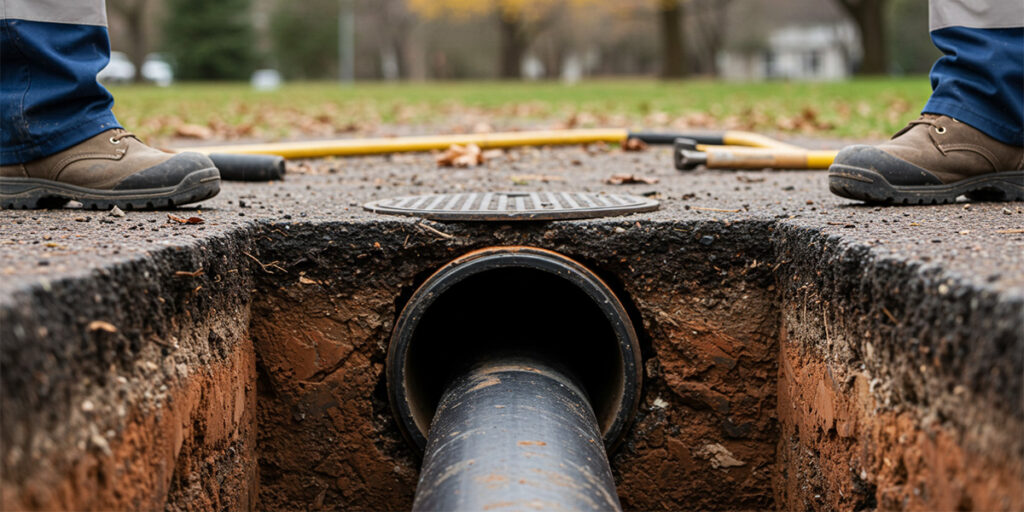
Most homeowners rarely think about the pipes running beneath their property. Water enters through one network, wastewater leaves through another, and gas may travel through separate lines to power essential appliances. As long as everything works, these systems remain almost invisible. But when a sewer backs up or a gas connection develops a problem, their importance becomes impossible to ignore.
Sewer and gas lines play a major role in household safety, sanitation, and comfort. Maintaining them requires more than occasional attention to visible fixtures. Underground pipes can crack, corrode, shift, or become blocked without showing obvious signs at first. Understanding how these systems work, what warning signs to watch for, and when professional service is necessary can help property owners avoid serious disruption.
Why Sewer and Gas Lines Need Professional Attention
Sewer pipes carry wastewater away from toilets, sinks, showers, washing machines, and other fixtures. Their job is simple in theory, but the system depends on proper pipe slope, strong connections, adequate ventilation, and unobstructed flow. A damaged or blocked sewer line can create unpleasant odors, slow drainage, sewage backups, and potential property damage.
Gas lines serve a different purpose. They deliver fuel to appliances such as water heaters, furnaces, stoves, fireplaces, and dryers. Because gas is combustible, these lines must be installed and maintained with extreme care. Even a small leak can become a serious hazard if it is not identified and corrected promptly.
Professional sewer & gas line services may include inspections, repairs, replacements, leak detection, new installations, pressure testing, and maintenance. These jobs require specialized knowledge because the systems are often located underground, behind walls, or near other utilities. A qualified technician can assess the issue accurately and recommend a solution based on the condition of the pipes rather than relying on guesswork.
Common Signs of Sewer Line Trouble
Sewer problems often begin with symptoms that seem minor. A single slow drain may be caused by a local blockage, but repeated issues throughout the house can point to a larger sewer line concern.
Homeowners should watch for warning signs such as:
- Multiple drains becoming slow at the same time
- Toilets that gurgle or bubble when sinks are used
- Sewage odors inside or outside the property
- Water backing up into showers, tubs, or floor drains
- Wet or unusually green patches in the yard
- Repeated sewer blockages
- Cracks or settling near the sewer line route
Tree roots are a common cause of underground sewer damage. Roots naturally search for water and may enter small cracks or loose joints. Over time, they can grow inside the pipe and restrict wastewater flow. Grease, foreign objects, collapsed sections, and aging materials can create similar problems.
A sewer camera inspection can help locate the source of the trouble without unnecessary excavation. The camera provides a view inside the pipe, allowing technicians to identify root intrusion, cracks, corrosion, offsets, or collapsed areas. This information is especially useful when deciding whether cleaning, repair, or replacement is appropriate.
Planning a New Sewer Line Installation
New construction, property additions, major renovations, and damaged underground systems may require sewer line installation. This process involves more than placing a pipe in a trench. The line must be correctly designed and positioned so wastewater flows efficiently toward the municipal sewer system or private septic system.
Before installation begins, professionals typically evaluate the property layout, soil conditions, existing utility locations, required pipe depth, and local regulations. Proper grading is essential. If the slope is incorrect, wastewater may move too slowly, leading to frequent blockages. If the slope is too steep, liquids may move faster than solid waste, which can also create problems.
The pipe material must be selected carefully. Depending on local requirements and site conditions, options may include PVC, ABS, cast iron, or other approved materials. Each has different characteristics related to durability, cost, installation, and resistance to corrosion or soil movement.
Permits and inspections may also be required. A professional contractor can help coordinate these steps and ensure the work meets applicable codes. Once installed, the line should be tested for leaks, proper flow, and connection integrity before the trench is permanently closed.
Understanding Gas Line Installation Requirements
Gas line work demands careful planning because the consequences of improper installation can be severe. Whether a homeowner is adding a gas stove, installing an outdoor fire feature, replacing a heating system, or building a new property, the gas supply must be designed for the appliances it will serve.
Professional gas line installation begins with determining the required gas load and confirming that the existing supply can support it. Pipe sizing matters because undersized lines may fail to deliver adequate pressure, while poorly planned layouts can create unnecessary restrictions or connection points.
The materials used must be approved for the application and installed according to local codes. Connections, shut-off valves, regulators, and appliance connectors all need to be positioned correctly. Gas lines may also require pressure testing before they are placed into service.
Ventilation is another important consideration. Gas appliances need proper combustion air and safe venting for exhaust gases. A gas line should never be installed as a standalone project without considering the appliance, venting system, and surrounding structure.
Only licensed or otherwise properly qualified professionals should perform gas line installation or repair. Homeowners should never attempt to modify gas piping themselves, even if the change appears simple.
Repair or Replace? Making the Right Decision
When a sewer or gas line develops a problem, the first question is whether repair is enough or replacement is more practical. The answer depends on the pipe’s age, material, location, damage level, and overall condition.
A sewer line with one isolated crack may be repairable. Localized root intrusion or a small damaged section might be addressed without replacing the entire line. However, if the pipe has multiple breaks, severe corrosion, extensive root damage, or a collapsed section, replacement may provide a more reliable long-term solution.
Gas line repairs also depend on the nature of the problem. A damaged connector, valve, or accessible section of pipe may be replaced. If the system is outdated or has widespread corrosion, a broader upgrade may be necessary. Safety should always take priority over short-term savings.
Trenchless sewer repair and replacement methods may reduce excavation in suitable situations. These techniques can limit damage to landscaping, driveways, and patios, although they are not appropriate for every property. A professional assessment is necessary before choosing this approach.
Preventive Maintenance and Safety Habits
Preventive care can reduce the likelihood of expensive emergencies. Homeowners should avoid flushing wipes, paper towels, grease, or other unsuitable materials into the sewer system. Even products labeled “flushable” may cause problems in older or vulnerable pipes.
Trees and large shrubs should be planted carefully near underground utility routes. Regular sewer inspections may be worthwhile for older homes or properties with a history of backups.
Gas appliances should be serviced according to manufacturer recommendations. If a homeowner notices a rotten-egg odor, hears hissing near a gas line, or suspects a leak, everyone should leave the property immediately. Avoid using electrical switches, flames, or vehicles near the suspected leak. Contact the gas utility or emergency services from a safe location.
Protecting the Systems Beneath Your Property
Sewer and gas lines are essential parts of a functioning home, yet they are often overlooked until something goes wrong. Regular inspections, responsible household habits, and professional installation can help these systems operate safely and efficiently.
When warning signs appear, delaying service may increase the risk of water damage, contamination, service interruptions, or dangerous gas exposure. A qualified technician can identify the real cause of the problem and explain the available options clearly.
Taking care of underground infrastructure may not feel urgent on an ordinary day. Still, a little planning and timely attention can prevent major trouble later—and help keep the home safer, cleaner, and more dependable.
Adjacent Readings
 Home Services
Why Reliable Electrical Work Matters More Than You Think for a Business
Choosing the Right Water Treatment Approach for Your Business
Water is easy to overlook when everything is working as it should. A tap opens, water flows, equipment runs, and nobody thinks twice about…