
Receiving Warehouse & Storage: The Key to Efficient Inventory Management
Why Receiving Warehouse & Storage Matters A well-organized Receiving Warehouse & Storage system is the foundation of an efficient supply chain. Every product entering…
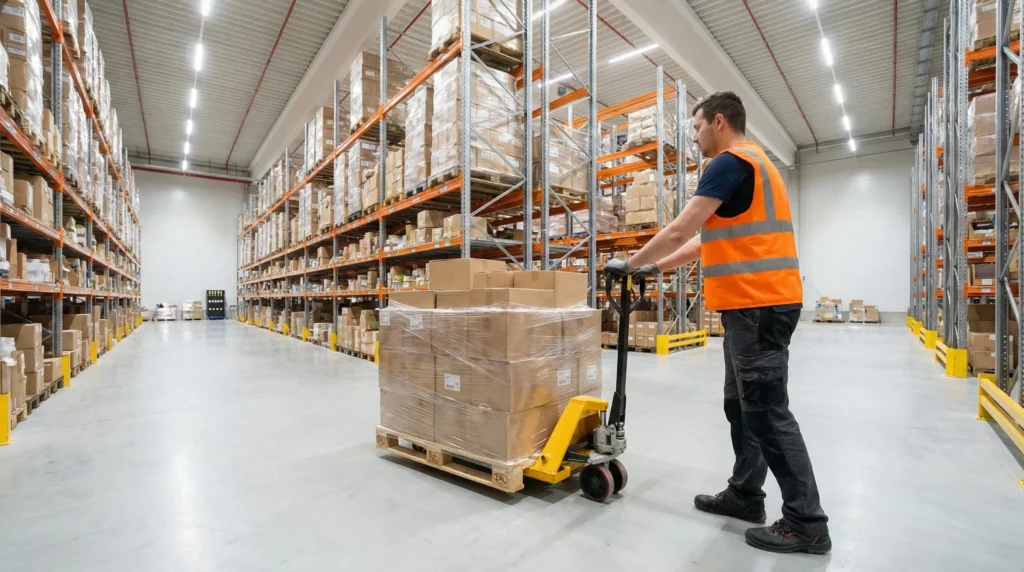
Why Receiving Warehouse & Storage Matters
A well-organized Receiving Warehouse & Storage system is the foundation of an efficient supply chain. Every product entering a warehouse must be inspected, recorded, and stored properly before it reaches customers or production facilities. Poor receiving practices can lead to inventory errors, damaged goods, delayed shipments, and increased operational costs. Businesses that invest in effective warehouse receiving processes improve accuracy, reduce waste, and enhance customer satisfaction.
Whether you operate a retail business, manufacturing company, or e-commerce store, having a structured warehouse and storage system ensures products move efficiently from arrival to final delivery.
The Receiving Process in a Warehouse
The receiving process begins when shipments arrive at the warehouse. Employees verify purchase orders, inspect product quality, count inventory, and record incoming items in the warehouse management system (WMS). This step ensures that only accurate and undamaged goods enter inventory.
A reliable receiving process minimizes discrepancies between suppliers and buyers while preventing inventory shortages or overstock situations. Proper documentation also makes future audits much easier.
Importance of Proper Storage
After products are received, they must be stored in designated locations based on their size, weight, demand, and storage requirements. warehouse storage solutions help maximize available space while keeping products easily accessible.
Organized storage reduces picking time, improves workflow, and lowers the chances of misplaced inventory. Warehouses that use proper shelving, pallet racks, and labeling systems experience greater operational efficiency and faster order fulfillment.
Benefits of an Efficient Receiving Warehouse
Businesses gain several advantages from an optimized warehouse receiving system, including:
- Faster inventory processing
- Improved inventory accuracy
- Reduced product damage
- Better supplier accountability
- Lower operating costs
- Faster customer order fulfillment
- Increased warehouse productivity
These benefits directly contribute to improved customer satisfaction and stronger business performance.
Best Practices for Receiving Warehouse Operations
Successful warehouse receiving requires standardized procedures that employees consistently follow. Shipments should always be checked against purchase orders before acceptance. Damaged or incorrect products should be documented immediately and reported to suppliers.
Using barcode scanners or RFID technology speeds up inventory recording while reducing human errors. Assigning specific receiving zones also helps avoid congestion and keeps warehouse traffic organized.
Employee training is equally important. Staff members should understand inspection procedures, safety regulations, and inventory management software to maintain smooth daily operations.
Warehouse Storage Techniques
Modern warehouses use different storage methods depending on product type and business needs. Common storage techniques include:
- Selective pallet racking
- Drive-in racking systems
- Cantilever racks
- Bin shelving
- Bulk floor storage
- Mezzanine storage
Choosing the right storage method maximizes warehouse capacity while maintaining product accessibility. Businesses should evaluate inventory turnover rates before selecting storage solutions.
Technology in Warehouse Management
Technology has transformed modern warehousing. Warehouse Management Systems (WMS), barcode scanners, RFID tracking, and automated inventory software allow businesses to monitor stock levels in real time. These tools improve visibility, reduce manual paperwork, and simplify inventory control.
Automation also helps optimize receiving schedules, track product movement, and generate accurate inventory reports. As warehouses continue to evolve, technology remains essential for maintaining competitive operations.
Common Challenges in Receiving & Storage
Even well-managed warehouses face operational challenges. Late deliveries, damaged shipments, incorrect documentation, limited storage space, and inventory inaccuracies can disrupt business operations.
Regular inventory audits, preventive maintenance, and standardized receiving procedures help minimize these issues. Businesses should also communicate closely with suppliers to ensure shipment accuracy and timely deliveries.
Choosing the Right Receiving Warehouse & Storage Strategy
Every business has unique inventory requirements. Companies handling fragile products require specialized storage, while high-volume distributors prioritize fast-moving inventory layouts. Receiving Warehouse & Storage strategies should align with product type, order volume, available warehouse space, and customer demand.
Regular performance reviews allow businesses to identify inefficiencies and improve warehouse operations over time. Investing in employee training, technology, and optimized storage layouts creates a more productive warehouse environment.
Conclusion
An efficient receiving warehouse and storage system plays a critical role in supply chain success. From inspecting incoming shipments to organizing inventory for quick retrieval, every step affects operational efficiency and customer satisfaction. Businesses that implement structured receiving procedures, modern storage solutions, and advanced warehouse technology can reduce costs, improve inventory accuracy, and increase productivity. As industries continue to grow, investing in Receiving Warehouse & Storage processes remains one of the smartest decisions for long-term operational success.
Adjacent Readings
 Business
Why MTF on ETFs Is Emerging as a Key Tool in Stock Markets
Perfect Edges: Europe Imports’ Corner Solutions for Pools
Discover how European imports are revolutionizing pool design with their innovative corner solutions. From sleek and modern lines to seamless integration, these products are…