
When Cool Air Becomes the Quiet Backbone of a Comfortable Home
A good air conditioner doesn’t ask for much attention when it’s working well. It hums along in the background, keeps the bedrooms comfortable, takes…
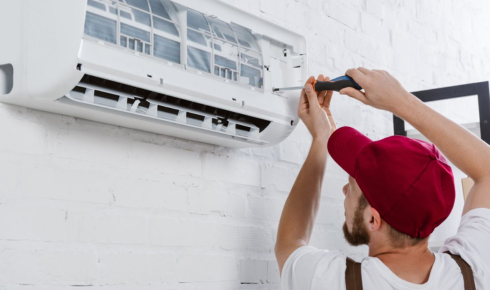
A good air conditioner doesn’t ask for much attention when it’s working well. It hums along in the background, keeps the bedrooms comfortable, takes the edge off a hot afternoon, and lets everyone get on with life. Nobody thinks about coils, filters, refrigerant, ducts, or electrical parts when the house feels just right.
But the moment the system starts struggling, comfort changes fast. One room feels warm. The vents don’t seem to push enough air. The unit runs longer than it used to. Maybe there’s a strange noise outside, or the energy bill suddenly looks a little rude. That’s usually when homeowners realise how much they depend on their cooling system every day.
Small Cooling Problems Usually Start Quietly
Most AC problems don’t begin with a dramatic breakdown. They begin with small changes. A weak stream of air from one vent. A slightly warmer hallway. A thermostat that needs to be set lower than before. These signs are easy to ignore because the system is still running.
Still, those little symptoms can point to worn parts, dirty coils, blocked airflow, low refrigerant, or an electrical issue. When handled early, many problems are manageable. When ignored, they can put stress on the whole system.
Why Timely Repair Matters
A proper air conditioning repair should do more than make the unit turn back on. It should identify the reason the problem happened in the first place. Replacing a part without checking airflow, refrigerant levels, drainage, or electrical connections may only solve half the issue.
This is why diagnosis matters. Weak cooling can come from several causes, and guessing can waste time and money. A careful technician looks at the whole system before deciding what needs to be repaired.
The Role of Complete HVAC Care
Good HVAC services include more than emergency fixes. They often involve inspection, maintenance, performance checks, cleaning, repair, and sometimes replacement guidance. Heating and cooling systems are connected to the comfort and efficiency of the entire home, so service should be thoughtful, not rushed.
For homeowners, this kind of support is helpful because it creates a clearer picture. Is the unit still in good condition? Is the ductwork affecting airflow? Is the thermostat placed correctly? Are energy bills rising because of equipment age or poor maintenance? These questions matter.
Comfort Depends on Reliable Operation
The goal of any cooling system is simple: steady comfort without constant worry. That’s why reliable performance is so important. A system that cools well one day and struggles the next is not just annoying; it can make daily life uncomfortable, especially during long stretches of heat.
Reliability comes from proper installation, regular maintenance, timely repairs, and honest advice about when equipment is nearing the end of its life. A system does not need to be perfect forever, but it should be cared for before small problems become big ones.
Maintenance Is Not Just a Formality
Some homeowners see maintenance as optional, especially if the AC seems to be working. Fair enough — no one wants another thing on the to-do list. But routine care can make a real difference.
A maintenance visit may include changing or checking filters, cleaning coils, clearing drain lines, inspecting electrical parts, checking refrigerant levels, and testing system operation. These steps help the system breathe better, run more efficiently, and avoid unnecessary strain.
Energy Bills Can Be a Warning Sign
Cooling systems often show trouble through energy use before they fully break down. If the unit has to run longer to achieve the same temperature, the bill may climb. Dirty components, leaking ducts, poor airflow, aging motors, or failing parts can all make the system work harder.
One high bill does not always mean something is wrong. But if costs keep rising while comfort keeps dropping, it is worth having the system checked.
Airflow Problems Are Easy to Overlook
Airflow is one of the most important parts of cooling, but it is also one of the easiest to miss. A system may produce cold air, but if that air cannot move properly through the home, comfort suffers.
Closed vents, dirty filters, blocked returns, duct leaks, or blower problems can all reduce airflow. Sometimes homeowners blame the AC unit when the real issue is the path the air takes to reach each room.
When Repair Is Better Than Replacement
Not every struggling system needs to be replaced. Many AC units can be restored with the right repair, especially if they are not too old and have been reasonably maintained. A failed capacitor, clogged drain, thermostat issue, or worn contactor may be fixable without major expense.
A trustworthy technician should explain whether repair makes sense based on age, condition, and repair history. The goal should be practical advice, not pushing the most expensive option.
When Replacement Starts to Make Sense
There comes a point where repairs become too frequent or too costly. If an older system breaks down every season, struggles to cool evenly, or uses more energy than it should, replacement may be the wiser choice.
A new system should be sized correctly for the home. Bigger is not automatically better. An oversized unit may cycle too often and fail to manage humidity properly, while an undersized system may run constantly. Good installation is just as important as the brand or model chosen.
Final Thoughts
A dependable cooling system makes home life easier in ways people often forget. It helps with sleep, comfort, air movement, humidity, and the simple relief of walking into a cool room after a hot day.
The best approach is not waiting until the system fails completely. Pay attention to small warning signs, keep up with maintenance, and choose repairs based on proper diagnosis. When the cooling system is cared for well, comfort feels effortless — and that’s exactly how it should feel.
Adjacent Readings
 Home Services
When Your Home Starts Feeling Cold: Knowing When It’s Time to Call a Heating Professional
Understanding Sewer and Gas Line Work Before Problems Become Expensive
Most homeowners rarely think about the pipes running beneath their property. Water enters through one network, wastewater leaves through another, and gas may travel…