
Cleaner Water, Smarter Choices: Understanding Modern Water Purification Systems
Water is one of those things we tend to take for granted. Turn on the tap, fill a glass, and move on with the…
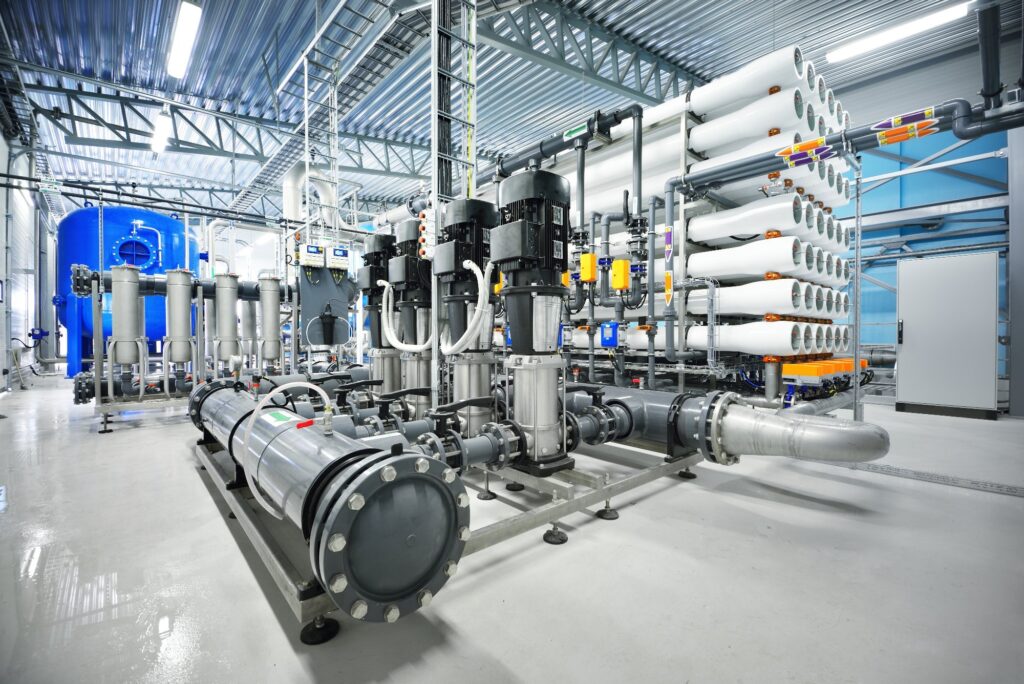
Water is one of those things we tend to take for granted. Turn on the tap, fill a glass, and move on with the day. But in homes, restaurants, hospitals, factories, offices, and other commercial spaces, the quality of that water can have a much bigger impact than most people realize. Water may contain dissolved salts, minerals, sediments, microorganisms, chemicals, or other unwanted substances that affect its taste, appearance, and usability.
That’s where modern purification technology comes in. Among the available options, reverse osmosis has become a widely used approach for treating water where a higher level of filtration is needed. It isn’t simply about making water look clean. The real goal is to create water that is more consistent, suitable for its intended use, and easier to manage over time.
Why Water Quality Matters More Than It Seems
Think about a busy restaurant. Water is used for cooking, making beverages, washing equipment, producing ice, and cleaning. If the incoming water contains high levels of dissolved minerals or other impurities, those substances can gradually affect equipment and everyday operations.
The same issue appears in manufacturing. Certain processes require water with specific characteristics, and even relatively small changes in mineral content can interfere with production, leave deposits, or reduce equipment efficiency.
For businesses dealing with these challenges, commercial reverse osmosis systems can provide a practical way to reduce many dissolved contaminants. The technology uses pressure to push water through a semipermeable membrane. The membrane allows water molecules to pass while rejecting a significant portion of dissolved substances.
Of course, reverse osmosis isn’t a magic button. Its effectiveness depends on the incoming water, membrane quality, system design, maintenance, and the contaminants being targeted. That’s why choosing the right system starts with understanding the actual water problem.
How Reverse Osmosis Works
The basic idea behind reverse osmosis is surprisingly straightforward.
Ordinary osmosis involves water naturally moving through a semipermeable membrane toward an area with a higher concentration of dissolved substances. Reverse osmosis flips that process. External pressure is applied to force water through the membrane in the opposite direction.
During this process, treated water passes through the membrane while a concentrated stream containing rejected substances is separated out.
Most systems don’t rely on the membrane alone. A typical setup may include pre-filters that remove larger particles and protect the membrane from premature fouling. Depending on the application, additional treatment stages can also be included after reverse osmosis.
This layered approach matters. A purification system isn’t just a collection of filters; it’s a complete treatment process designed around the characteristics of the source water.
When High-Capacity Purification Makes Sense
A small office and a large food-processing facility obviously don’t have the same water requirements. One may need a modest amount of purified water throughout the day, while the other could require a continuous supply for multiple operations.
This is where high-capacity water purification becomes particularly useful. Larger systems are designed to handle greater water volumes and may incorporate larger membranes, stronger pumps, automated controls, storage tanks, and monitoring equipment.
But bigger isn’t automatically better.
Installing an oversized system can increase upfront costs, energy consumption, maintenance requirements, and water wastage without providing any real benefit. On the other hand, choosing a system that is too small can lead to inadequate production and unnecessary strain on components.
The sweet spot is a system sized according to actual demand. Daily consumption, peak usage, feed-water quality, operating hours, required purity, and available space should all be considered before making a decision.
It’s Not Just About the Membrane
One common mistake is focusing entirely on the reverse osmosis membrane. The membrane is certainly important, but the supporting equipment can make or break the performance of the entire system.
Pre-treatment deserves particular attention. Sediment filters can help remove suspended particles, while activated carbon may be used to reduce chlorine and certain organic compounds. In some water conditions, additional treatment may be necessary to control hardness or protect the membrane.
Regular maintenance matters, too. Filters need to be replaced when appropriate, membranes need monitoring, and pumps, valves, gauges, and storage components should be checked periodically.
Neglecting maintenance can gradually reduce flow rates and treatment performance. In a commercial setting, that can become more than a technical inconvenience—it can disrupt operations.
Understanding Water Purity for Different Applications
Not every application needs the same level of treatment. Drinking water, laboratory processes, pharmaceutical manufacturing, food production, and industrial applications can have very different requirements.
For example, water used for general drinking may have relatively straightforward quality goals. A laboratory process, meanwhile, may require much tighter control over dissolved substances and other contaminants.
This is why water purity should always be discussed in relation to the intended use. Instead of asking, “How pure can we make the water?” a better question is, “What level of purity does this application actually require?”
That small change in thinking can save money and prevent unnecessary treatment.
The Importance of Testing Before Installation
Before purchasing a purification system, water testing is one of the smartest steps a property owner or business can take.
A proper analysis can identify characteristics such as total dissolved solids, hardness, pH, turbidity, chlorine levels, and other relevant parameters. The results provide a clearer picture of what treatment stages may be required.
Without testing, system selection can become guesswork. Two buildings in the same city can have noticeably different water conditions because of their source, plumbing, storage practices, or local supply characteristics.
Testing also provides a useful baseline. Once the system is operating, future tests can help determine whether performance remains consistent.
Efficiency and Water Conservation
Reverse osmosis systems traditionally produce a reject stream as part of the purification process. That means not every litre entering the system becomes purified water.
Modern system design can improve recovery rates, but efficiency still depends on the equipment and application. Businesses should consider how reject water is handled and whether it can be safely reused for suitable non-potable purposes.
Energy consumption is another consideration, particularly for larger installations. Efficient pumps, proper pressure control, and routine maintenance can all contribute to better operating performance.
In other words, a good purification system should not only produce quality water—it should do so sensibly.
Choosing a System That Fits Real-World Needs
There’s no universal purification system that works perfectly for every property. A good choice depends on the water source, expected demand, required treatment level, available space, budget, and maintenance capabilities.
It’s also worth looking beyond the initial purchase price. Replacement filters, membranes, electricity, servicing, water recovery, and downtime all contribute to the long-term cost of ownership.
A cheaper system that constantly needs attention may end up costing more than a well-designed system built for dependable operation.
Final Thoughts
Clean, reliable water supports far more than drinking. It plays a quiet but important role in cooking, manufacturing, hospitality, healthcare, cleaning, and countless everyday processes.
Reverse osmosis offers an effective method for reducing many dissolved impurities, but its success depends on proper design and ongoing care. The best system isn’t necessarily the largest or most expensive one. It’s the one that understands the water coming in, the quality required going out, and the practical demands in between.
When those pieces are considered together, water purification becomes less about buying equipment and more about building a dependable solution—one that quietly does its job day after day.
Adjacent Readings
 Home Services
Choosing the Right Water Treatment Approach for Your Business
Why Better Water Testing Leads to Smarter Commercial Decisions
Water quietly supports almost every part of a commercial property. It is used for drinking, cooking, cleaning, cooling, laundry, food preparation, and countless other…