
Equipment Financing Made Simple: How Businesses Can Access Capital Without Slowing Growth
Running a business often requires significant investment in machinery, vehicles, technology, and specialised tools. While purchasing equipment outright may seem like the simplest option,…
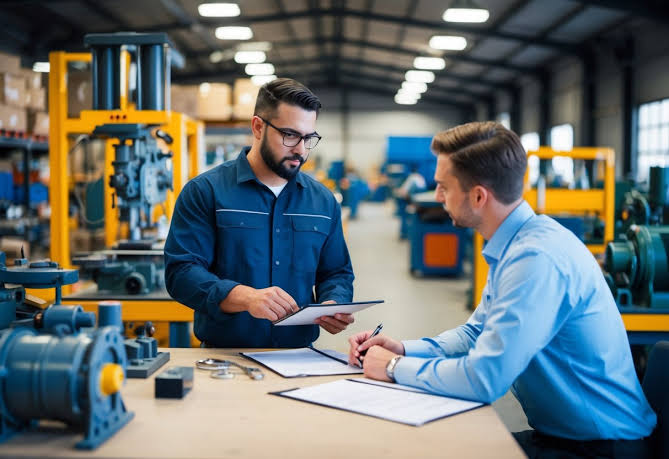
Running a business often requires significant investment in machinery, vehicles, technology, and specialised tools. While purchasing equipment outright may seem like the simplest option, it can quickly reduce working capital and limit financial flexibility. Fortunately, there are several financing options that allow businesses to obtain the equipment they need while preserving cash flow.
Whether you’re a start-up, an expanding company, or an established enterprise, understanding the available financing methods can help you make smarter financial decisions and support long-term growth.
Why Equipment Financing Matters
Modern businesses rely on quality equipment to remain productive and competitive. From construction machinery and manufacturing systems to medical devices and office technology, having access to reliable equipment can improve efficiency and customer satisfaction.
However, these assets often require a substantial upfront investment. Instead of tying up valuable capital, many organisations choose financing solutions that spread costs over manageable repayments. This approach enables businesses to continue investing in marketing, staffing, inventory, and other operational priorities.
Understanding Equipment Loans
One of the most popular financing solutions is equipment loans. These loans allow businesses to purchase essential assets while repaying the borrowed amount through fixed monthly instalments over an agreed period.
The equipment itself commonly serves as collateral, making this financing option accessible for many businesses. Once the loan is fully repaid, ownership of the equipment transfers entirely to the borrower.
This option works particularly well for businesses planning to use equipment for many years, as ownership can provide long-term value without the need for future lease agreements.
When a Sale-Lease-Back Makes Sense
A sale-lease-back arrangement offers a different approach to equipment financing. In this structure, a business sells equipment it already owns to a financing provider and immediately leases it back for continued use.
This strategy allows companies to unlock the cash tied up in existing assets without interrupting daily operations. The released capital can then be invested into expansion projects, debt reduction, or improving cash flow during periods of growth.
Many businesses consider this option when they need immediate liquidity but still depend on their equipment to operate efficiently.
Choosing the Right Financing Partner
With many equipment loan companies operating in today’s market, selecting the right provider requires careful evaluation. Interest rates, repayment flexibility, approval times, customer support, and industry experience can all influence the overall value of a financing agreement.
A reliable financing partner should understand your industry, explain terms clearly, and offer solutions tailored to your business objectives. Comparing several providers before making a commitment often leads to better financing outcomes.
It’s equally important to review all fees, repayment schedules, and early settlement conditions to avoid unexpected costs later.
Benefits of Financing Equipment
Equipment financing provides several advantages beyond simply acquiring new machinery. Businesses often experience improved cash flow, predictable monthly expenses, and the ability to invest in higher-quality equipment sooner rather than waiting to accumulate sufficient funds.
Financing also allows companies to upgrade technology more regularly, helping maintain operational efficiency and competitiveness. Rather than delaying expansion because of limited capital, businesses can continue growing while spreading costs over time.
For seasonal businesses, structured repayment plans may also align better with revenue cycles, reducing financial pressure during quieter periods.
Factors to Consider Before Applying
Before entering any financing agreement, businesses should evaluate their current financial position and future growth plans. Consider how frequently the equipment will be used, its expected lifespan, maintenance costs, and whether ownership or leasing better suits your operational strategy.
Reviewing cash flow forecasts and repayment affordability is equally important. Borrowing within realistic financial limits helps maintain healthy business operations while reducing unnecessary financial risk.
Seeking professional financial advice can also help identify the most suitable funding structure based on your company’s specific circumstances.
Final Thoughts
Equipment financing remains one of the most effective ways for businesses to acquire the tools and machinery needed for success without placing excessive pressure on working capital. By understanding the different financing options available and carefully selecting a trusted provider, businesses can invest confidently in their future.
Whether you’re purchasing new assets, upgrading existing equipment, or improving cash flow through flexible financing strategies, choosing the right solution today can create stronger financial stability and support sustainable business growth for years to come.
Adjacent Readings
 Business
Why MTF on ETFs Is Emerging as a Key Tool in Stock Markets
The Quiet Complexity of Selling a Growing Business
There’s a particular kind of business owner who doesn’t get much press. Not the startup founder chasing venture capital headlines. Not the Fortune 500…